Light Cashmere Scarves: How to Style Ultra-Light Layers for Spring and Summer


Cashmere has a reputation problem. Ask most people when they'd reach for it, and the answer is always winter: cold mornings, heavy coats, layers against the chill. It's an understandable assumption, and it's also incomplete. A lightweight cashmere scarf isn't a compromise on a hot day; it's one of the most useful pieces in a warm-weather wardrobe, for reasons that have nothing to do with the calendar.

Why Cashmere Isn't Only a Winter Fiber
Cashmere comes from the undercoat of the Changthangi goat, with fibers typically between 14 and 19 microns in diameter, the fineness that industry bodies such as the Cashmere and Camel Hair Manufacturers Institute use to define genuine cashmere, far finer than standard wool. That fineness is what makes cashmere feel soft against the skin without irritation, and it's also what allows it to be woven into genuinely lightweight, single-ply pieces that carry almost none of the bulk associated with a heavy winter wrap. An ultra light cashmere scarf, woven this way, insulates against the specific kind of cold that shows up in the warmer months: over-air-conditioned restaurants, evening flights, a breeze off the water once the sun goes down.
The real case for cashmere in spring and summer isn't about the weather at all. It's about how you style it: rooftop dinners that turn cool after sunset, transatlantic flights where the cabin runs cold regardless of the season on the ground, garden weddings that start in the heat and end once the temperature drops. A light weight cashmere scarf solves for all of these without asking you to carry a jacket you don't otherwise need.
What “Light” Actually Means in Cashmere
Not all cashmere is built the same way, and the difference matters more than color or pattern when you're shopping for warm-weather wear. Two-ply cashmere, two strands twisted together, is the standard for structured winter scarves: warmer, with more visible texture, but heavier. A lighter, more finely spun weave trades some of that density for drape and breathability, without giving up the softness that makes cashmere worth choosing in the first place. This is the version worth looking for when the goal is a scarf you'll actually reach for between April and September, not one you'll put away until the leaves turn.
Every piece in the Maneesha Ruia Cashmere collection is handcrafted using GOTS-certified fabric wherever possible, a sourcing standard maintained by the Global Organic Textile Standard, so the softness and the sourcing hold to the same bar whether the piece is a finished Marine Blue Superfine Cashmere Pashmina Scarf or a more richly embellished design.
Where to Start With Ultra-Light Cashmere
The Superfine Cashmere Pashmina line is the clearest entry point into this category; the name itself signals the finer, lighter spin this article is about. The Natural Superfine Cashmere Pashmina Scarf and Sand Superfine Cashmere Pashmina Scarf work as neutral, wear-with-everything options, while the Soft Pink Superfine Cashmere Pashmina Scarf gives the same lightweight construction a softer, more occasion-ready cast.

Styling Ultra-Light Cashmere Through the Season
The versatility of a light weight cashmere scarf comes from how little it asks of an outfit. A few ways it earns a place in warm-weather dressing, whether the piece comes from the cashmere line or the closely related pure pashmina collection:
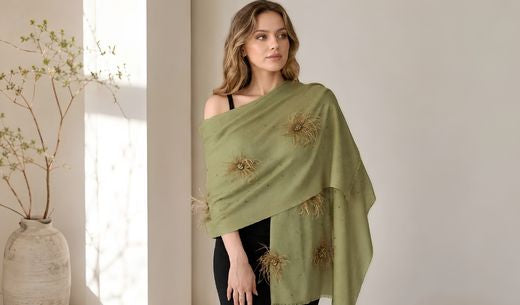
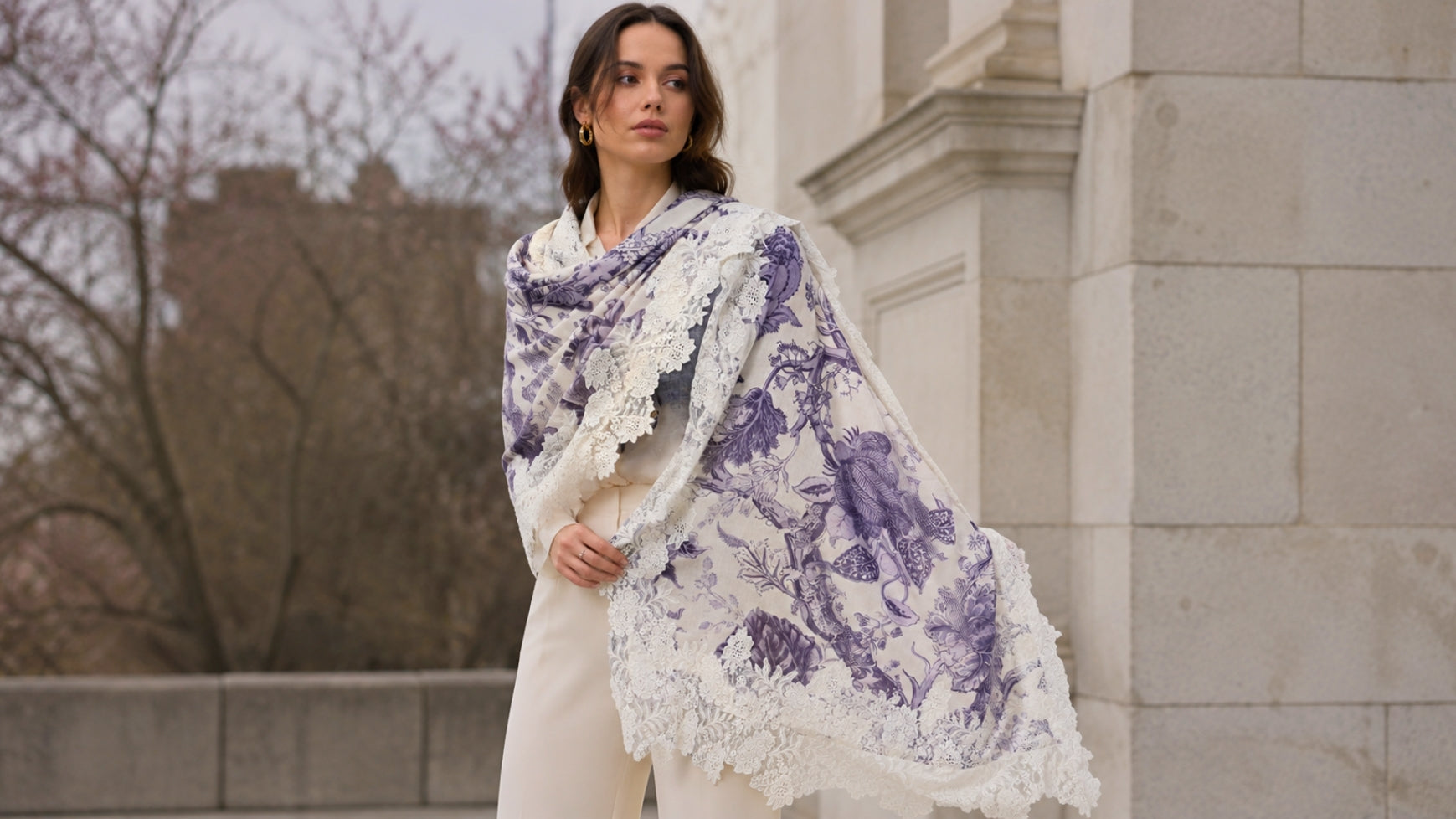
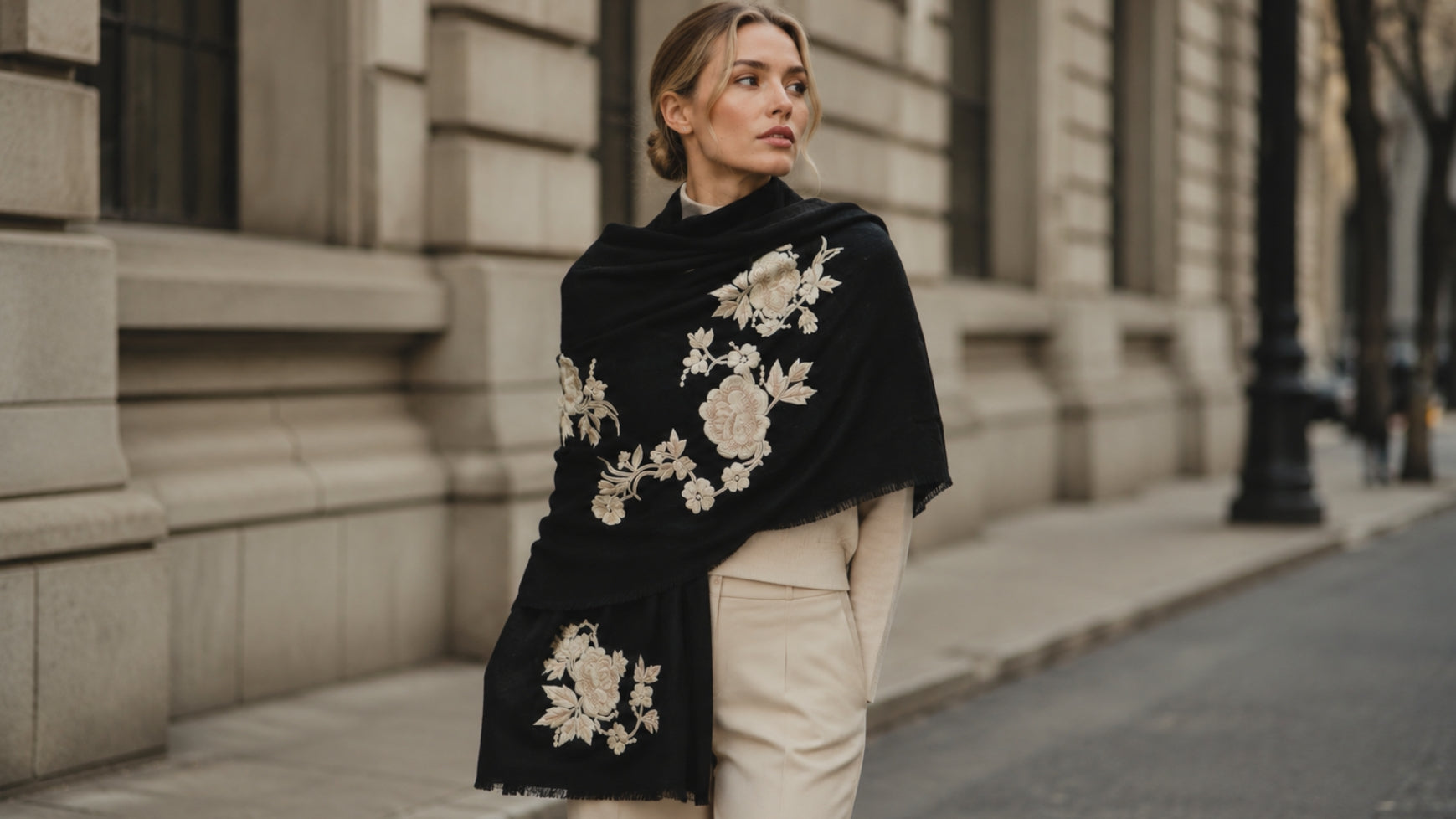
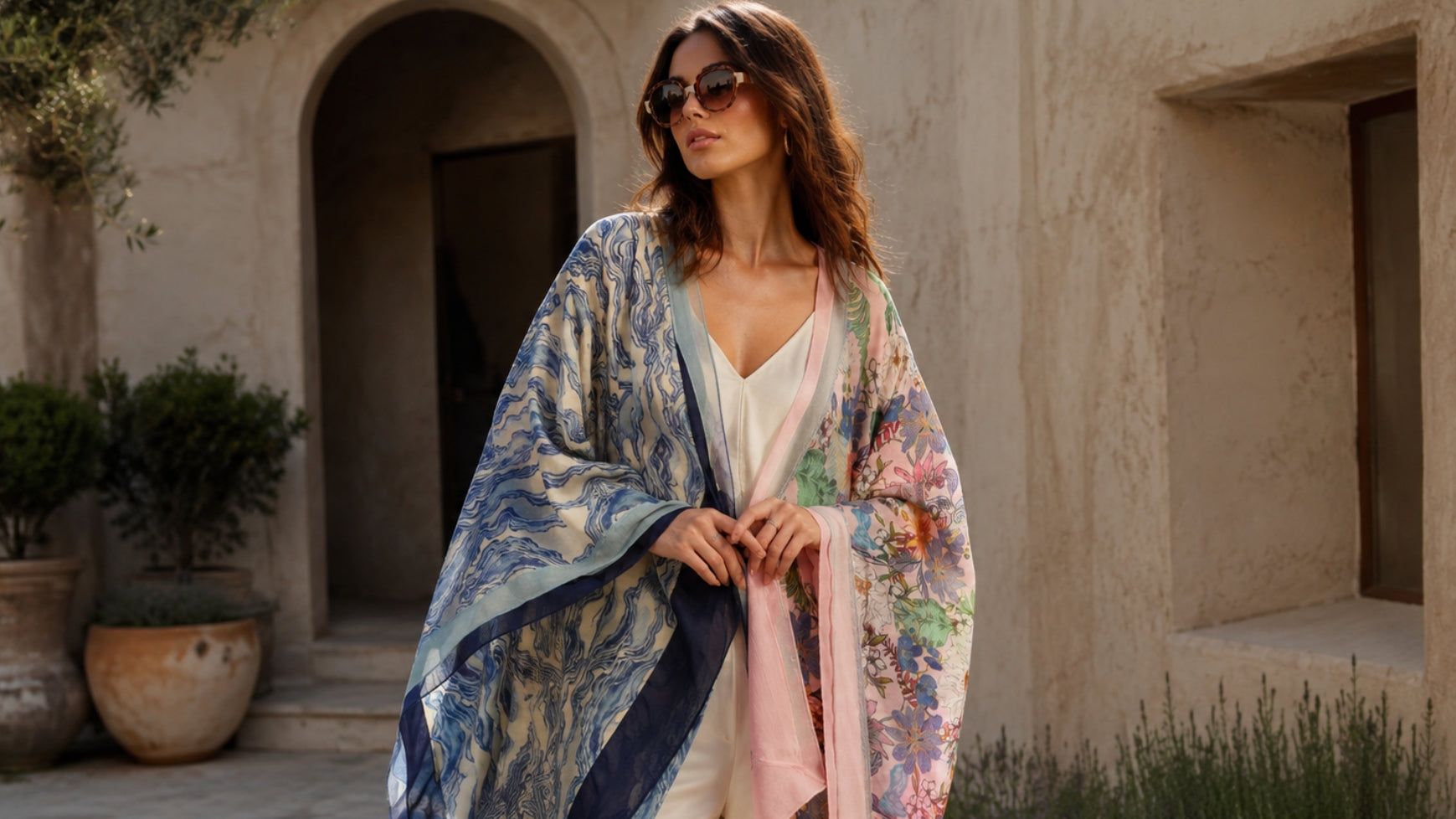
Draped loosely across the shoulders over a sleeveless dress, it's the difference between leaving a rooftop dinner early and staying through dessert once the temperature drops. No knot required, the weight of the fabric holds the position on its own.
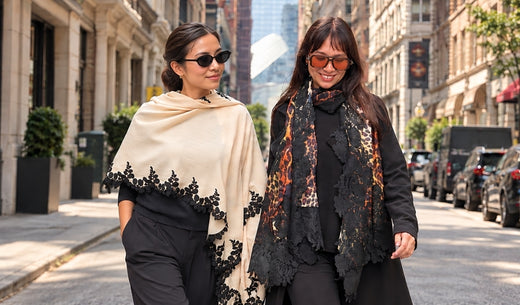
Folded into a narrow band and tied once at the neck, it adds a note of texture to a plain linen shirt for a daytime garden lunch, without reading as a winter accessory out of season.
Carried folded over an arm rather than worn, it becomes the piece you reach for the moment a flight, a museum, or an evening event turns colder than expected, exactly the kind of piece worth keeping in the travel scarves rotation, doing the job a cardigan usually does at a fraction of the bulk in a bag.
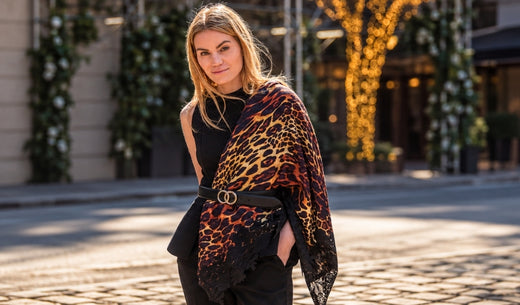
Over a fine-knit sleeveless top for an evening wedding or gala, it adds warmth exactly where a bare shoulder needs it, without competing with the dress underneath.
Caring for an Ultra-Light Cashmere Piece
Because the fiber is finer and the weave lighter, an ultra light cashmere scarf deserves the same care as any other Maneesha Ruia piece, dry clean only, no steam ironing over embellishment, folded and stored away from direct sunlight. Slight variation in color or dimension between individual scarves is part of what comes with a handcrafted piece rather than a factory-uniform one.
Explore the full Cashmere collection at maneesharuia.com, or browse the wider scarves and wraps collection for more lightweight layering pieces.

Frequently Asked Questions
Is a lightweight cashmere scarf actually warm enough to be useful?
Yes, for the situations it's built for: air-conditioned interiors, evening temperature drops, and flights. It isn't meant to replace a winter wrap; it's meant to solve for the cold that shows up in warm months when you least expect it.
What's the difference between an ultra light cashmere scarf and a regular cashmere scarf?
The difference is in the ply and weave rather than the fiber itself. A lighter, more finely spun cashmere trades some of the density and visible texture of a two-ply winter scarf for drape and breathability, while keeping the same softness.
Can cashmere be worn in summer without feeling out of place?
Yes. The customers who wear cashmere through summer aren't dressing for the weather on the ground; they're dressing for the evening, the flight, or the room, all of which run cooler than the season suggests.
What's the difference between cashmere and pashmina?
Pashmina refers to an especially fine grade of cashmere, traditionally from the same Changthangi goats raised across the Kashmir and Ladakh region; in practice, the two terms describe closely related fine-wool weights. Browse the pure pashmina collection alongside cashmere to compare weight and finish.