

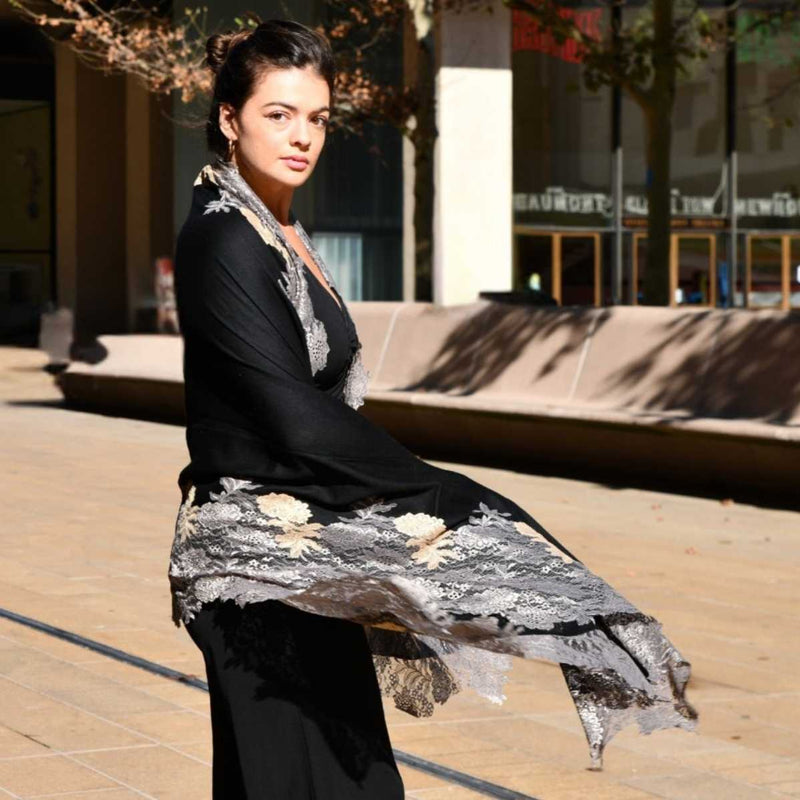
Lace Scarves
106 products

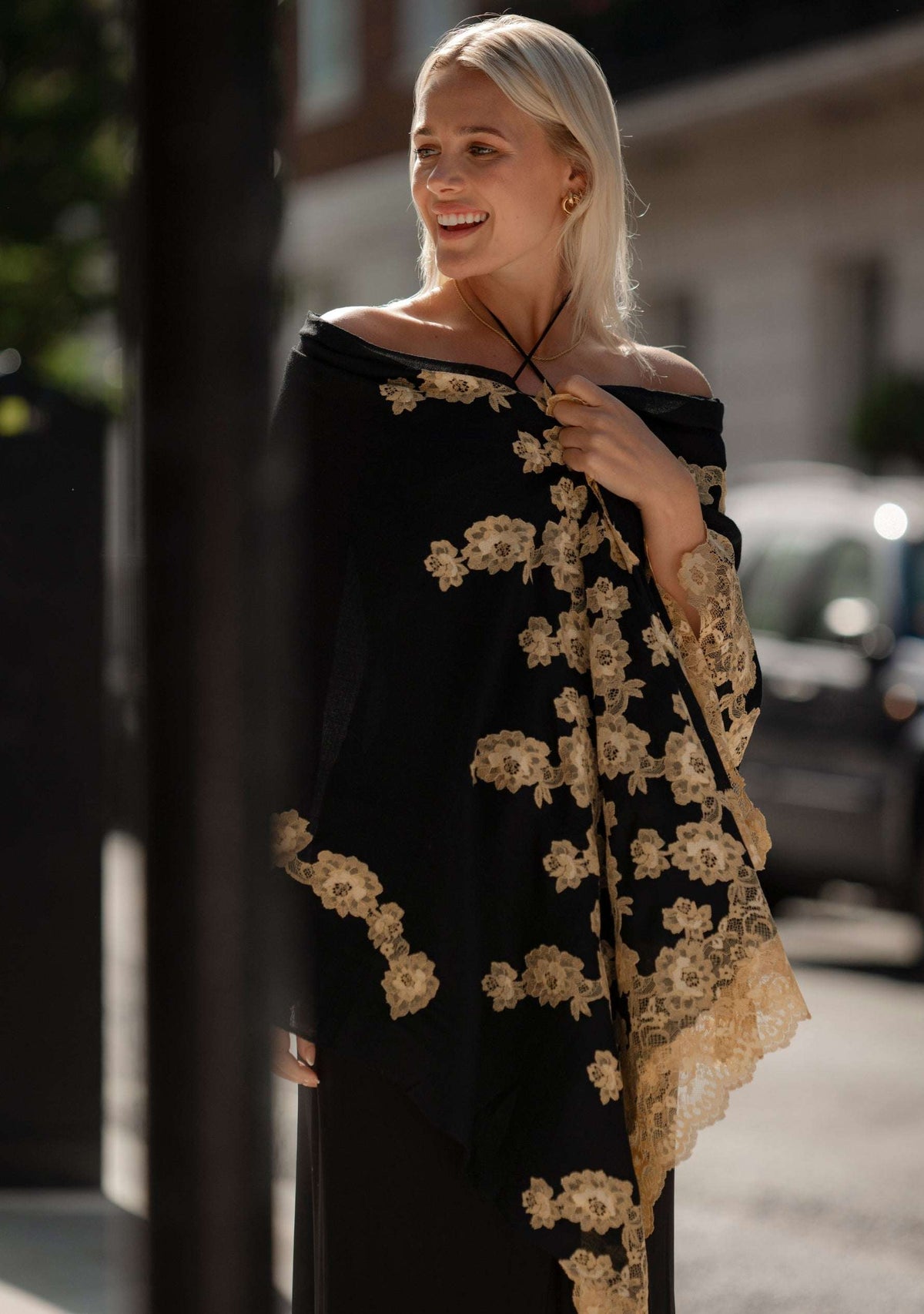
Black Cashmere ScarfGold Lace
Sale price£348.00 GBP

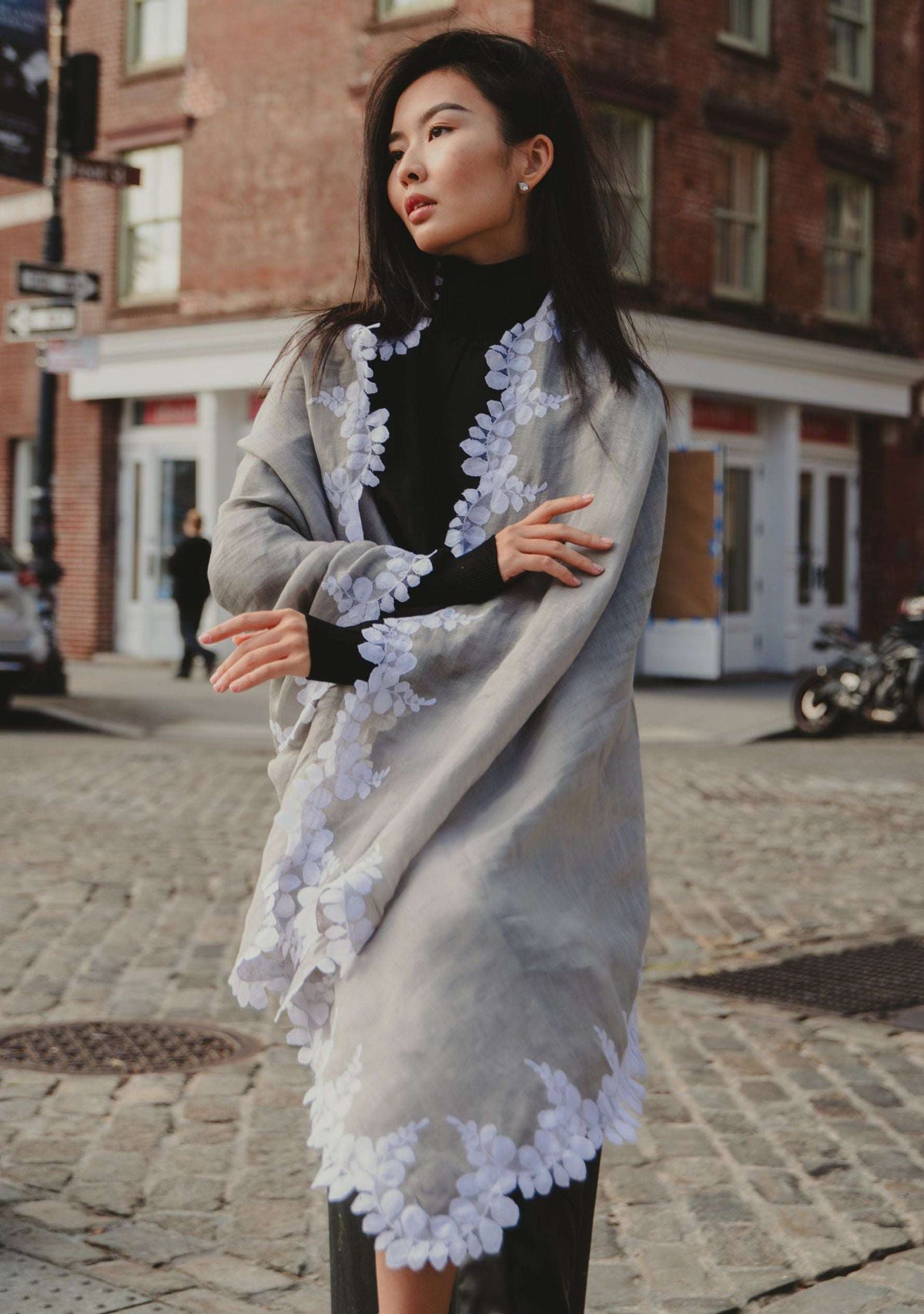
Mousse Linen & Modal ScarfIvory Lace
Sale price£252.00 GBP

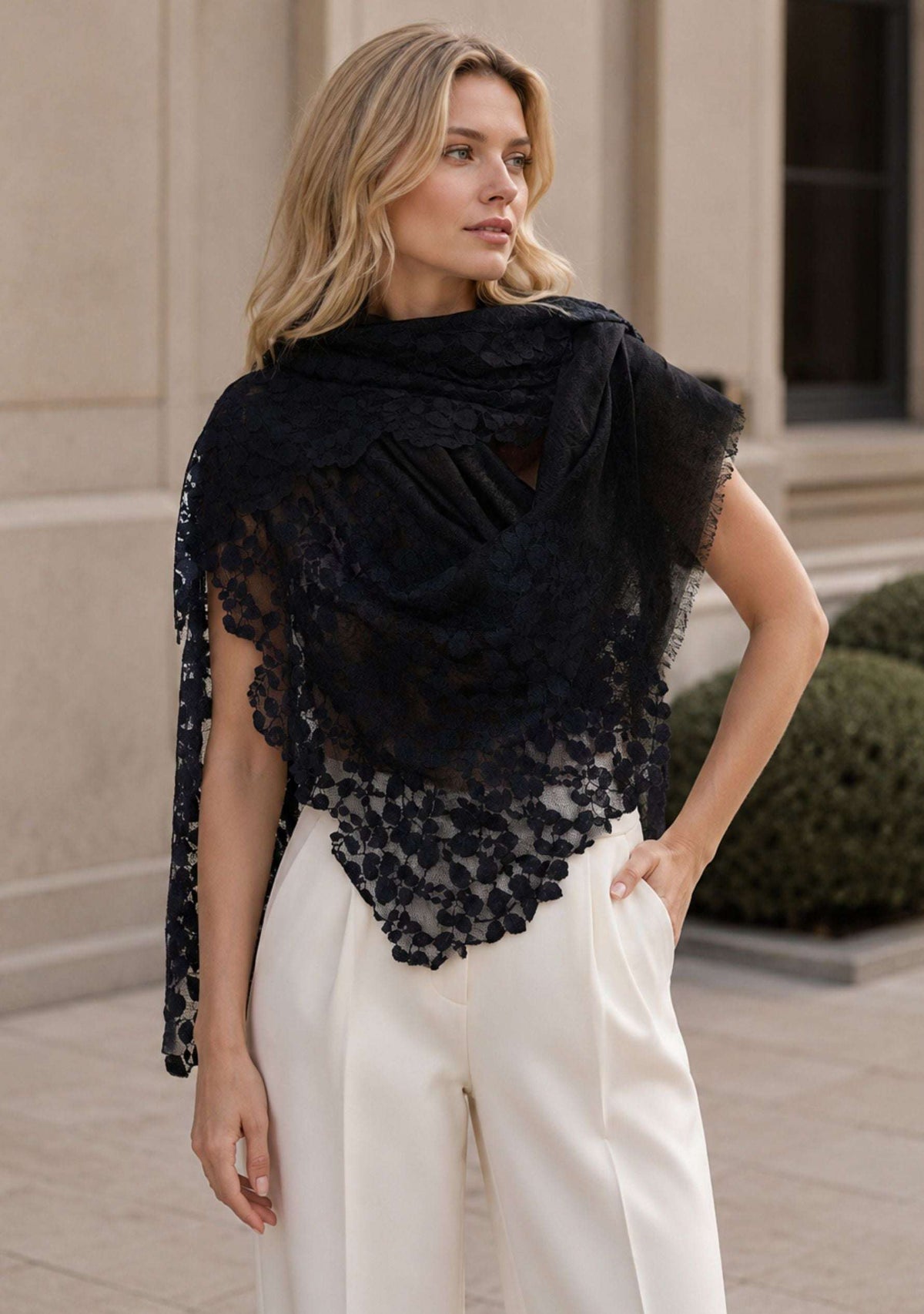
Black Linen & Modal Scarfwith Black Lace
Sale price£228.00 GBP

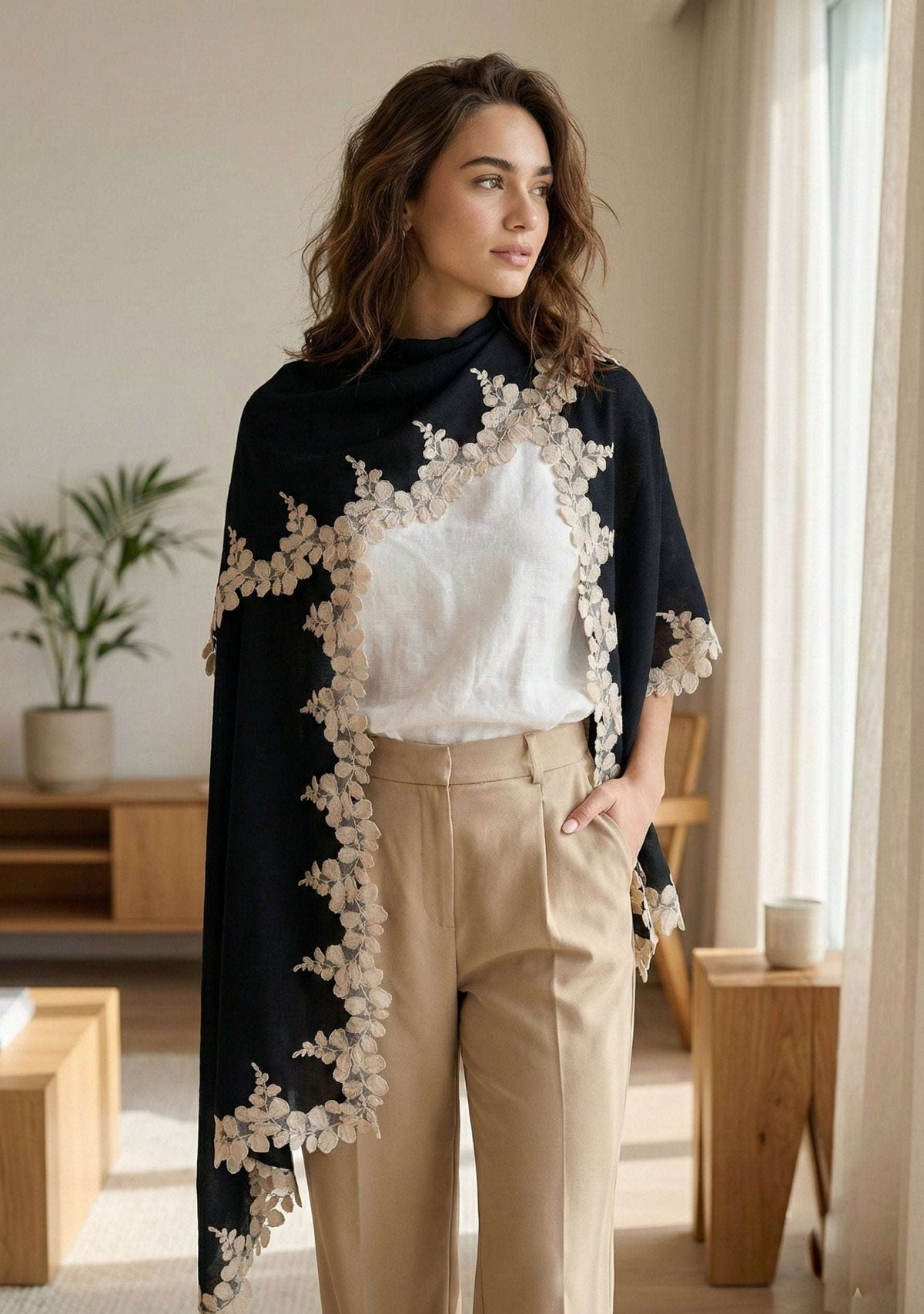
Black Silk & Wool ScarfBeige Lace
Sale price£276.00 GBP

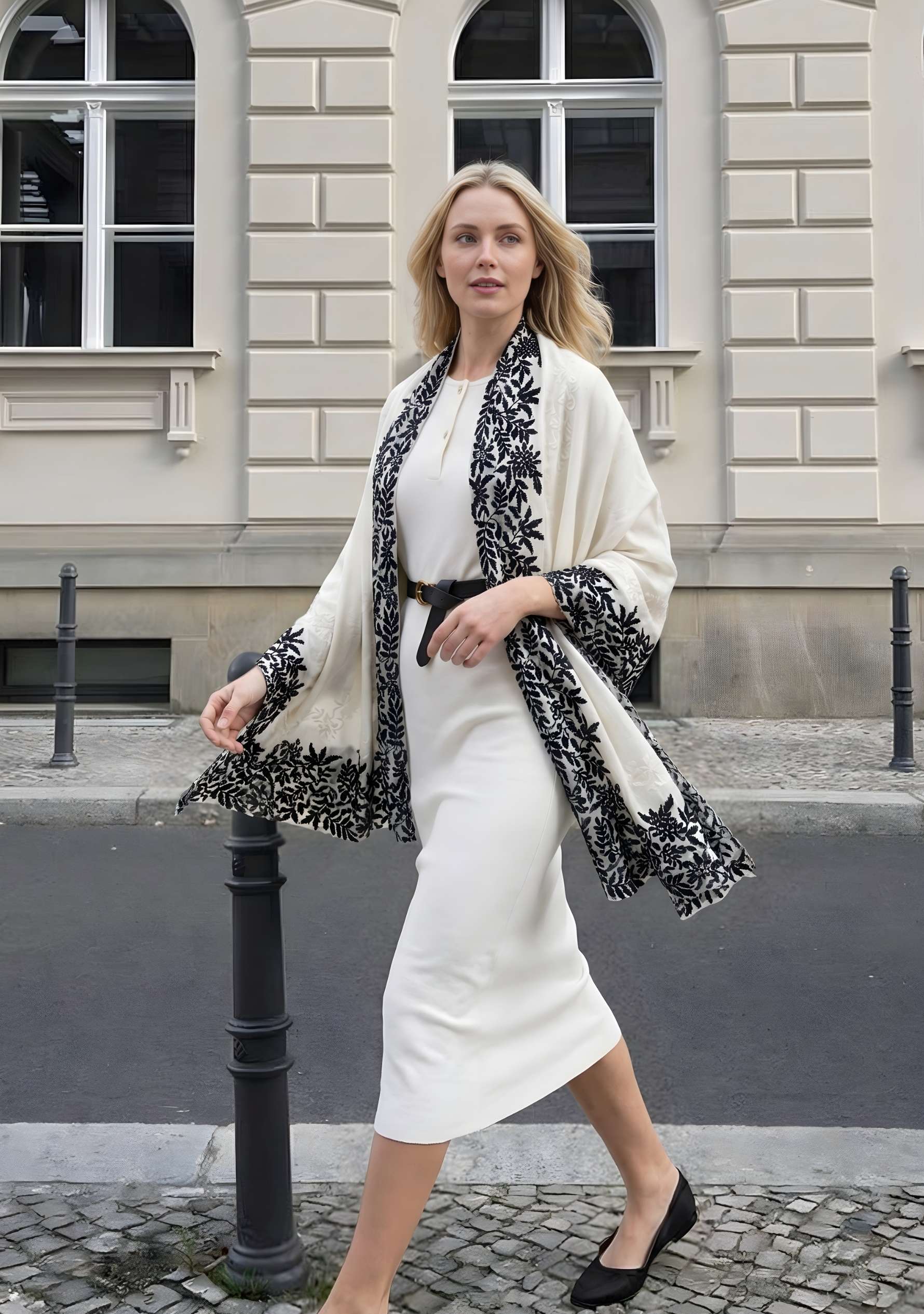
Ivory Cashmere ScarfBlack Embroidery & Ivory Lace
Sale price£652.00 GBP

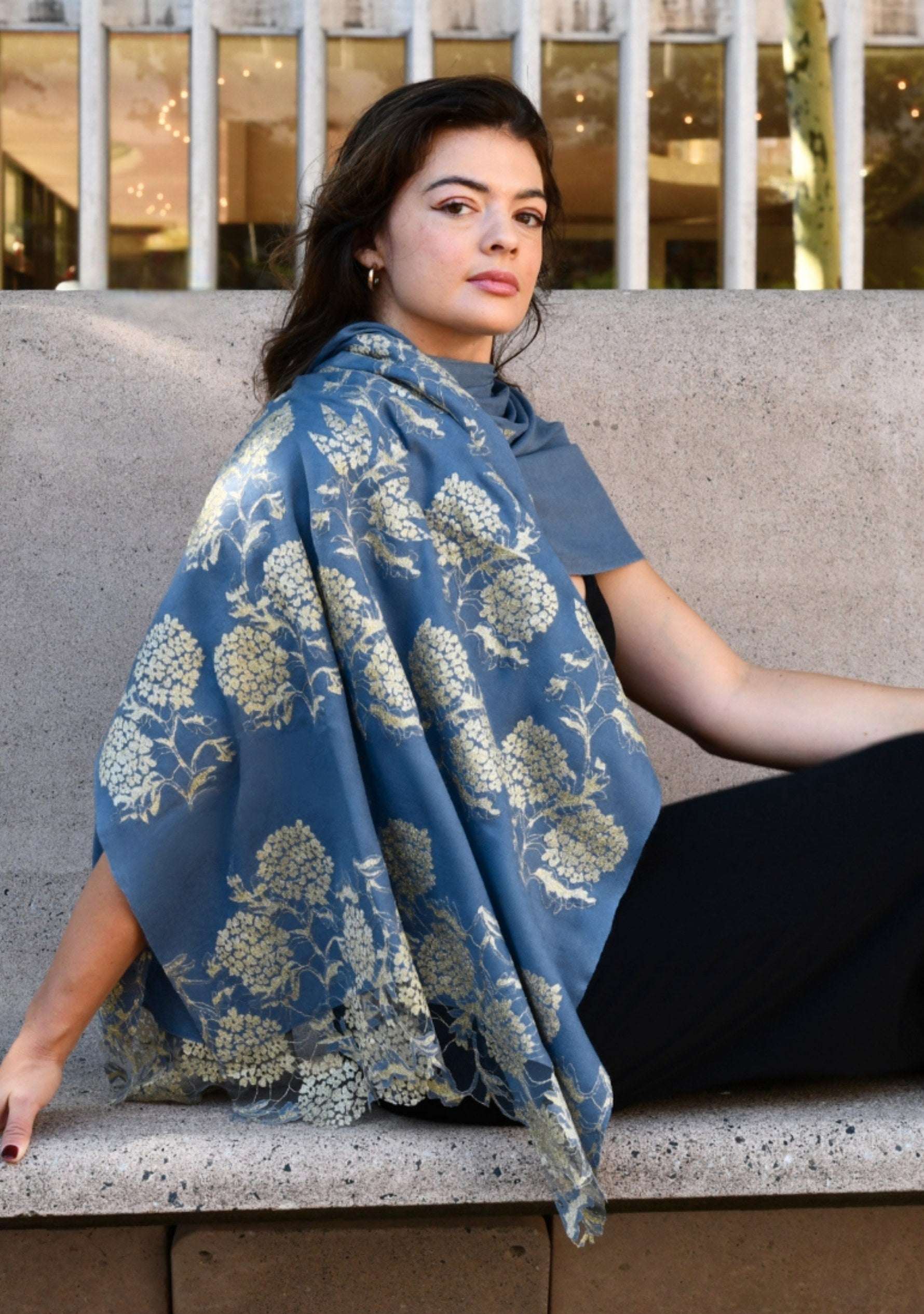
Denim Blue Wool & Silk ScarfGold Lace
Sale price£264.00 GBP


Ivory Cashmere ScarfHand-Painted, Frill & Lace
Sale price£332.00 GBP


Ivory Wool & Silk ScarfBlack Lace
Sale price£292.00 GBP

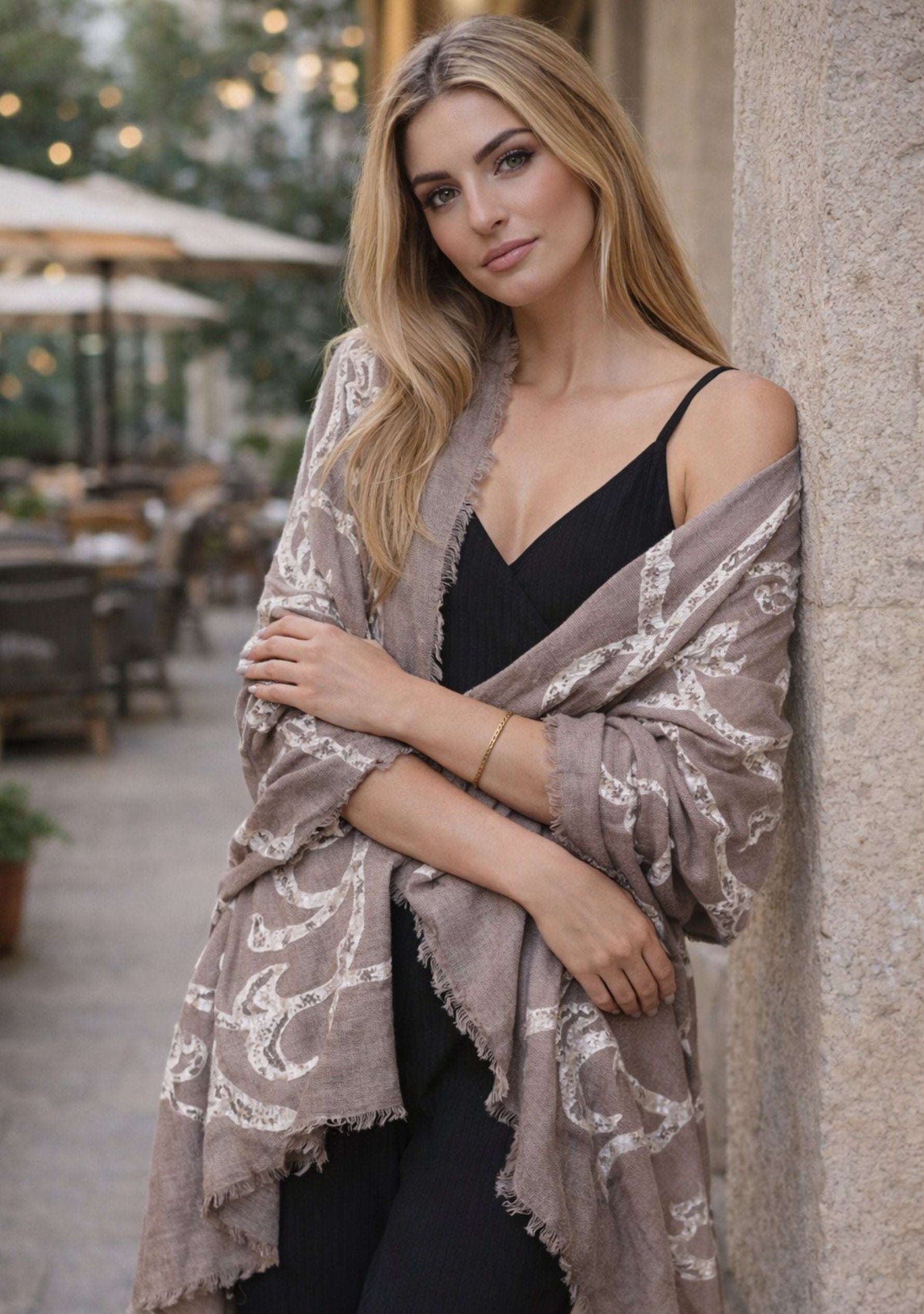
Taupe Cashmere ScarfBeige Lace
Sale price£340.00 GBP

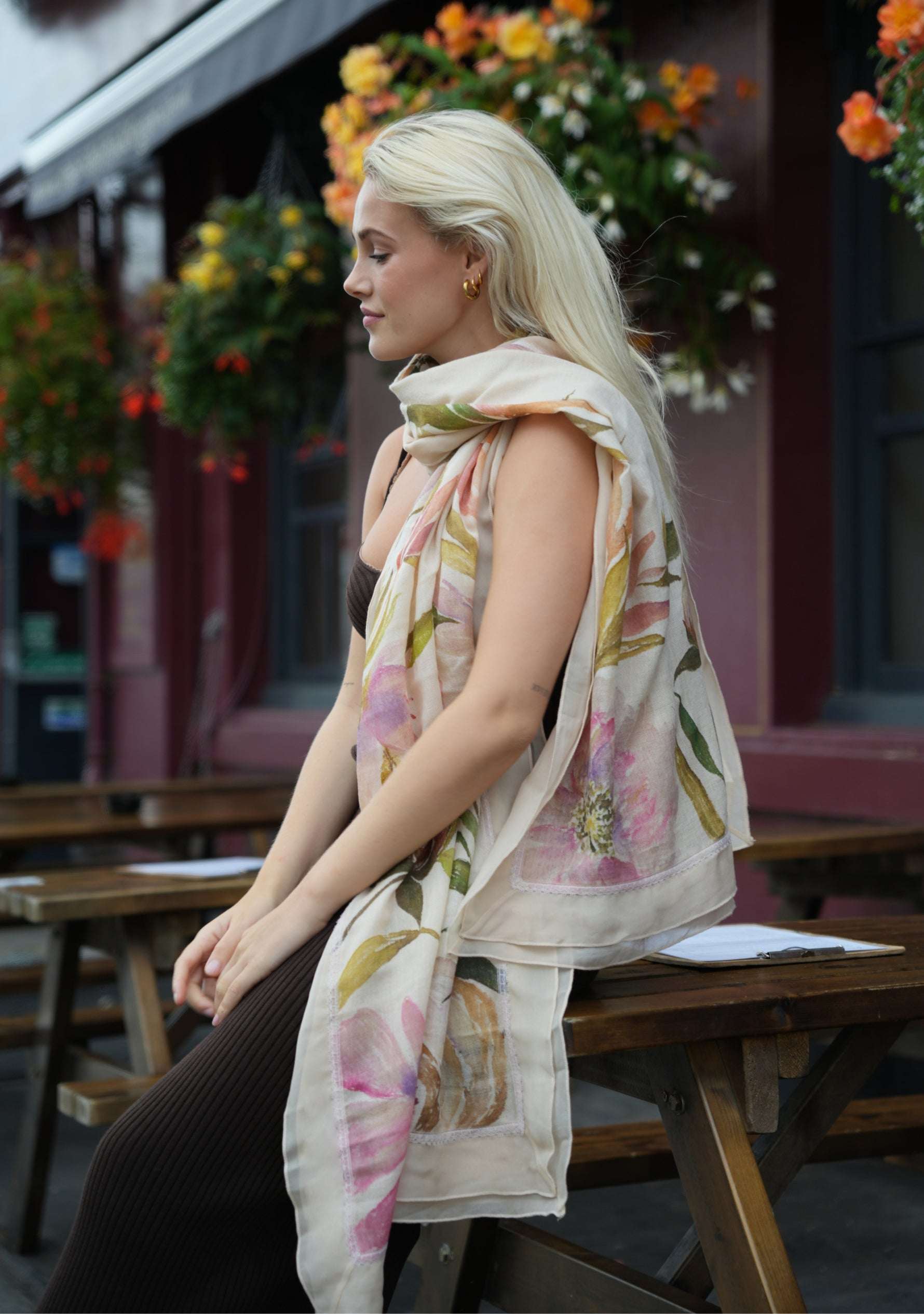
Beige Cashmere ScarfHand-Painted, Frill & Lace
Sale price£332.00 GBP

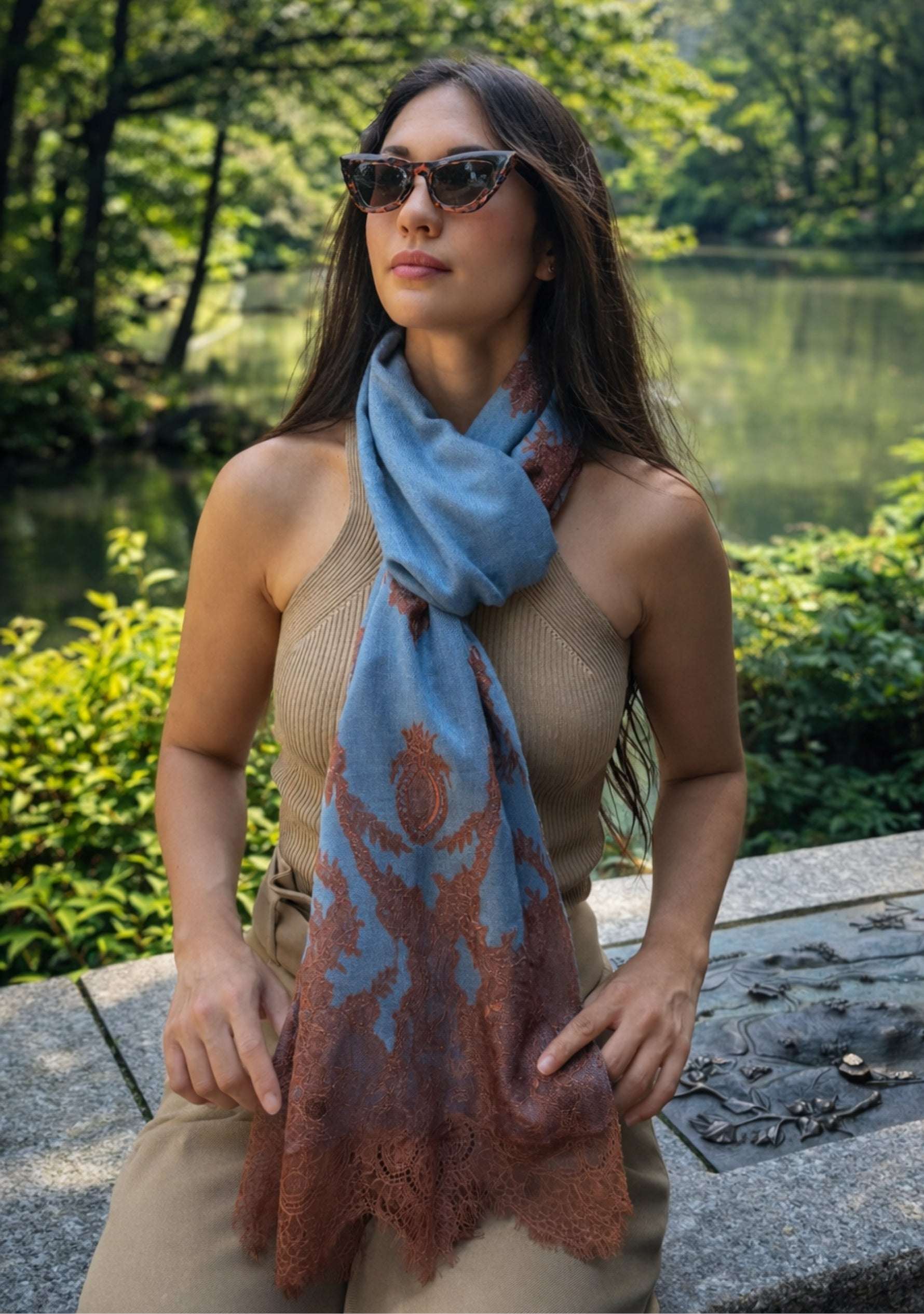
Steel Blue Cashmere ScarfMocha Mousse Lace
Sale price£332.00 GBP

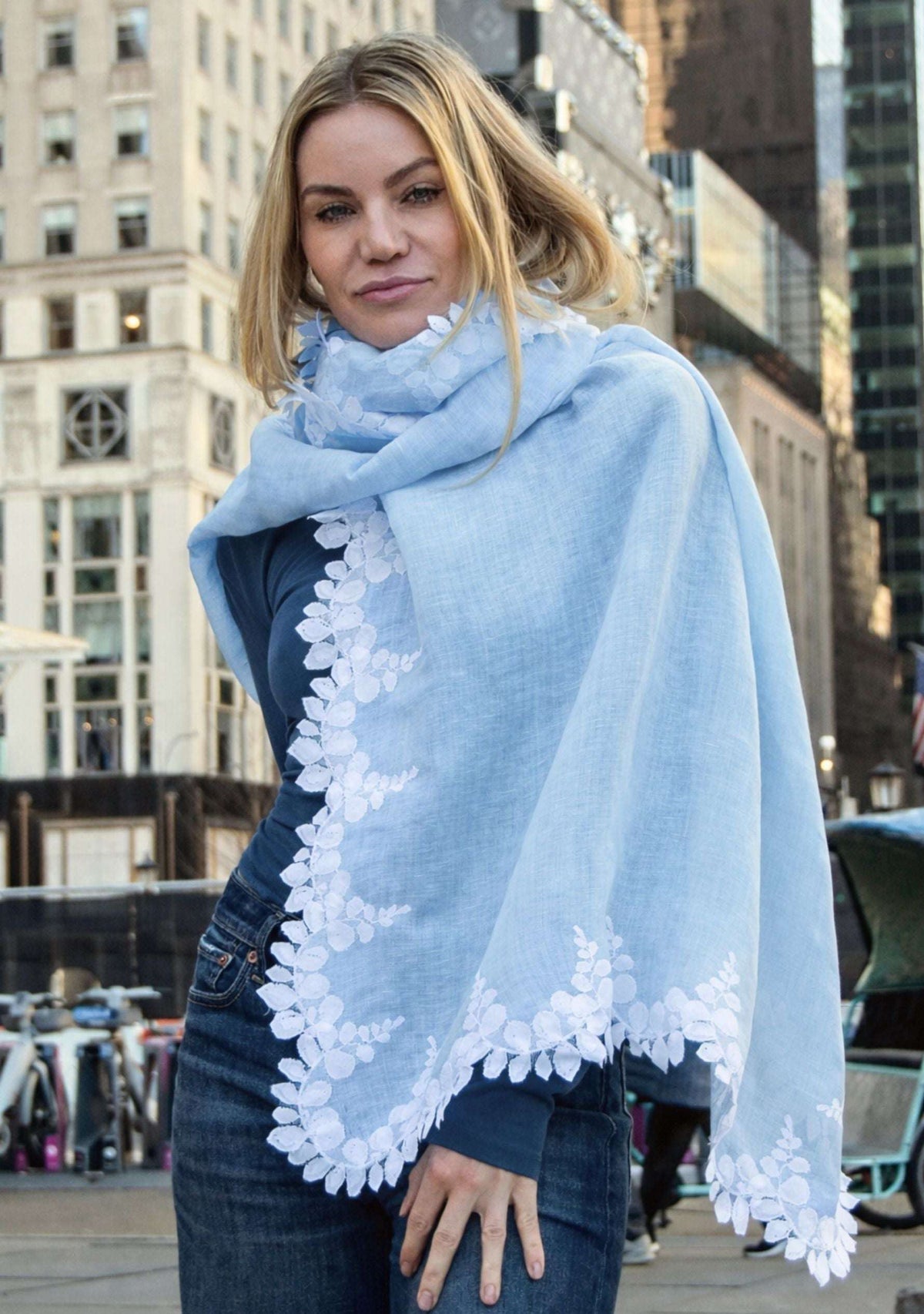
Powder Blue Linen & Modal ScarfIvory Lace
Sale price£252.00 GBP

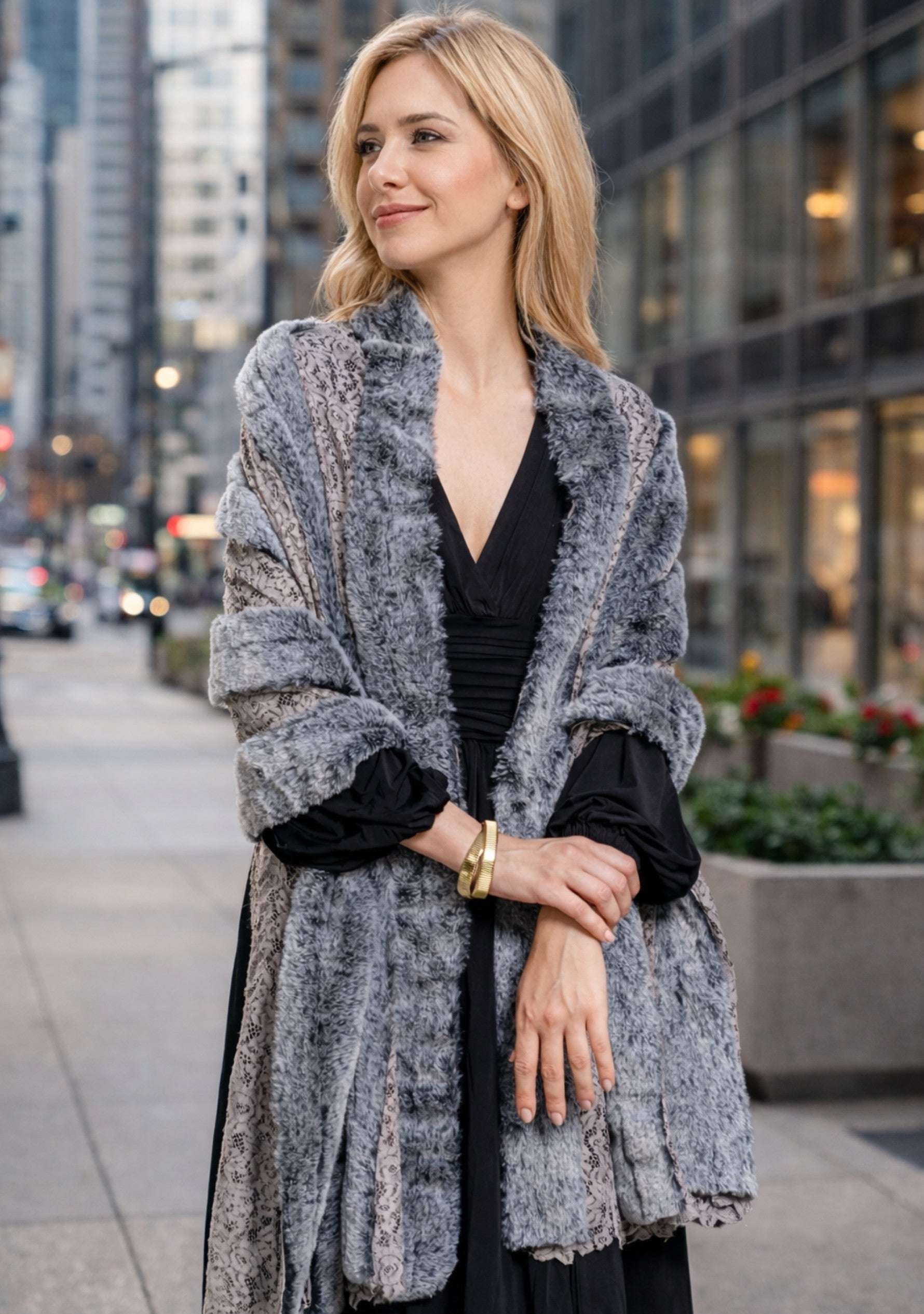
Gray Floral Lace ScarfTwo-Tone Gray Faux Fur
Sale price£290.00 GBP

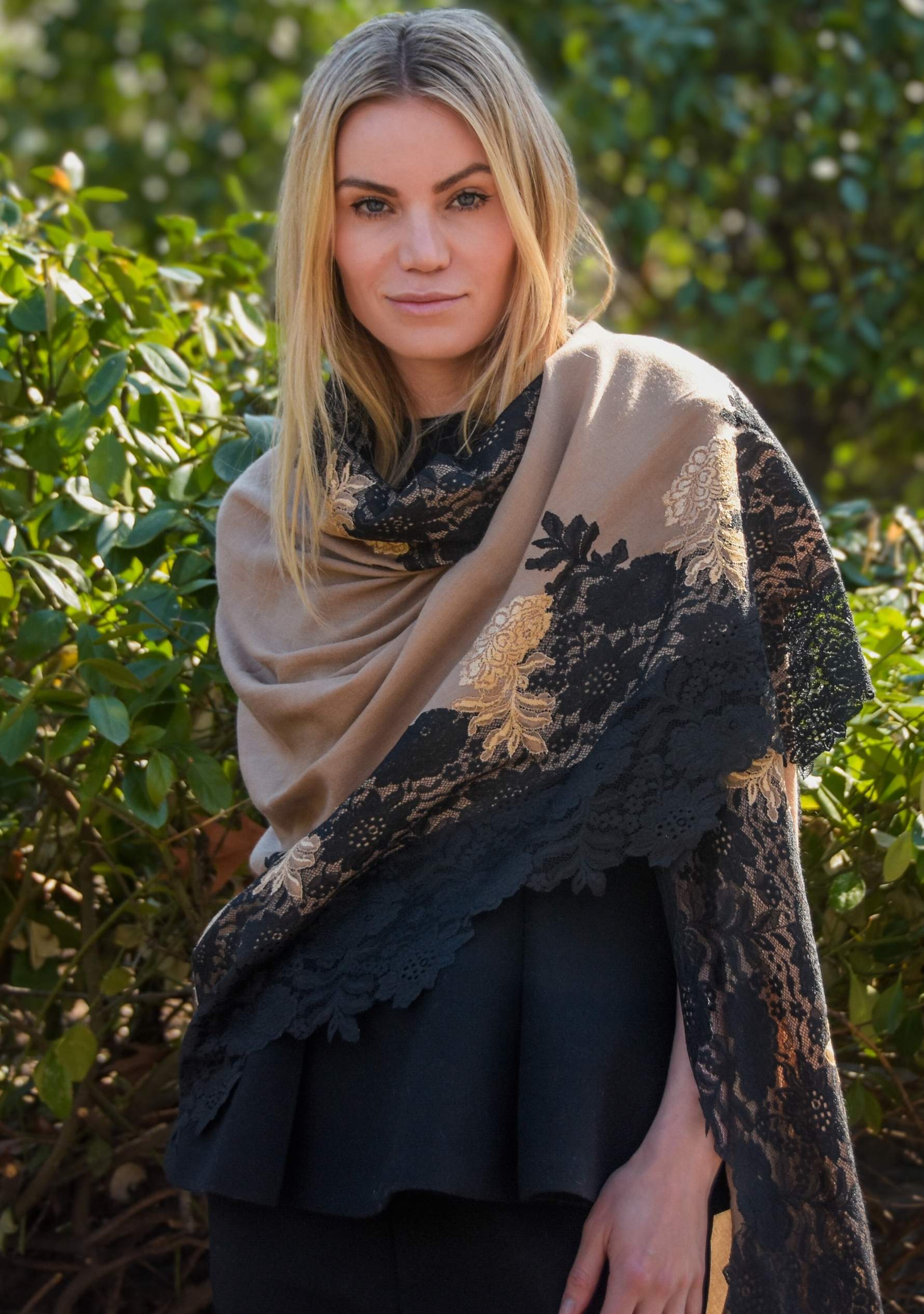
Natural Wool & Silk ScarfBlack & DK. Gold Double Color Lace
Sale price£308.00 GBP


Black Cashmere ScarfBeige Embroidery & Black Lace
Sale price£496.00 GBP

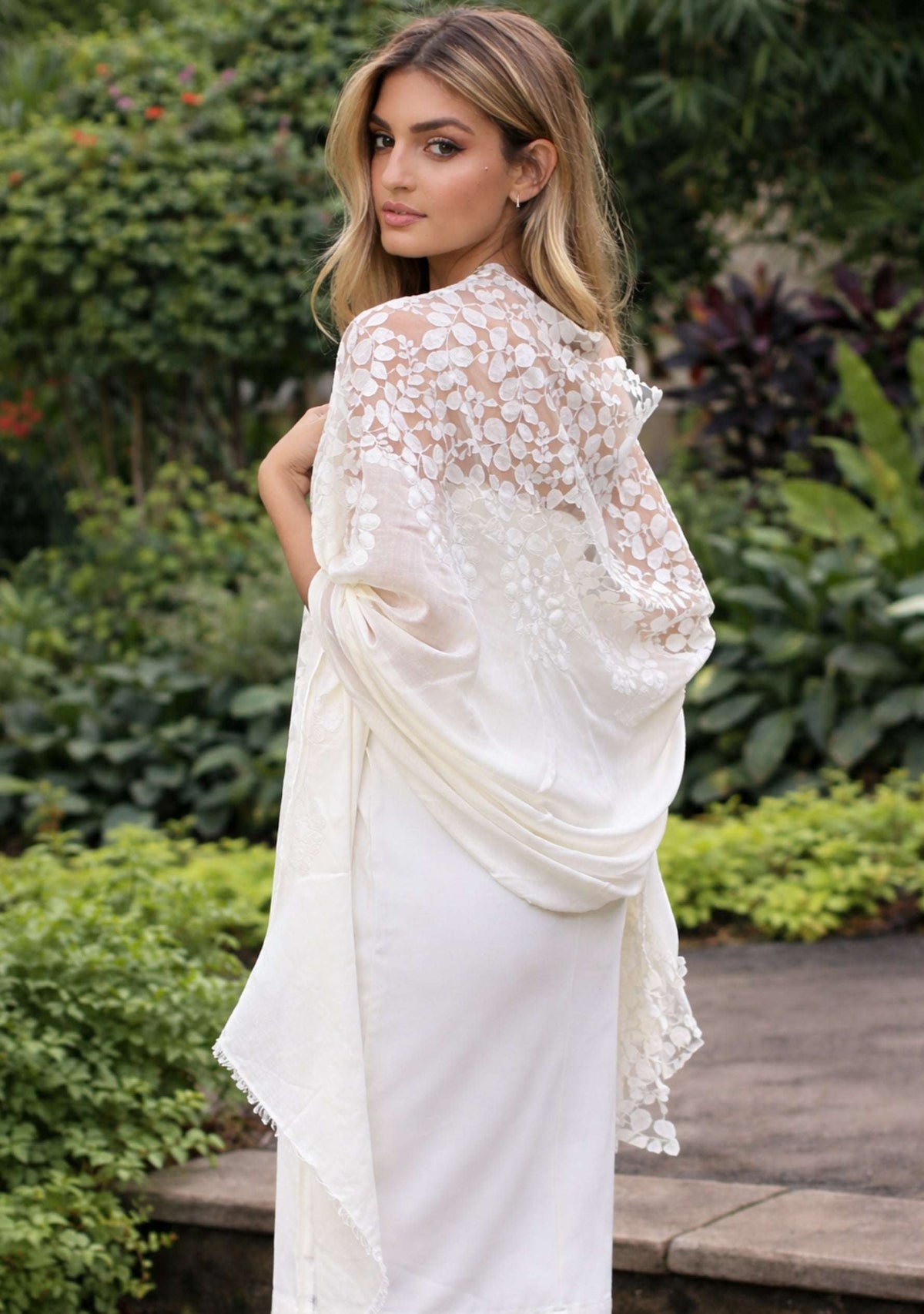
Ivory Linen & Modal ScarfIvory Lace
Sale price£228.00 GBP

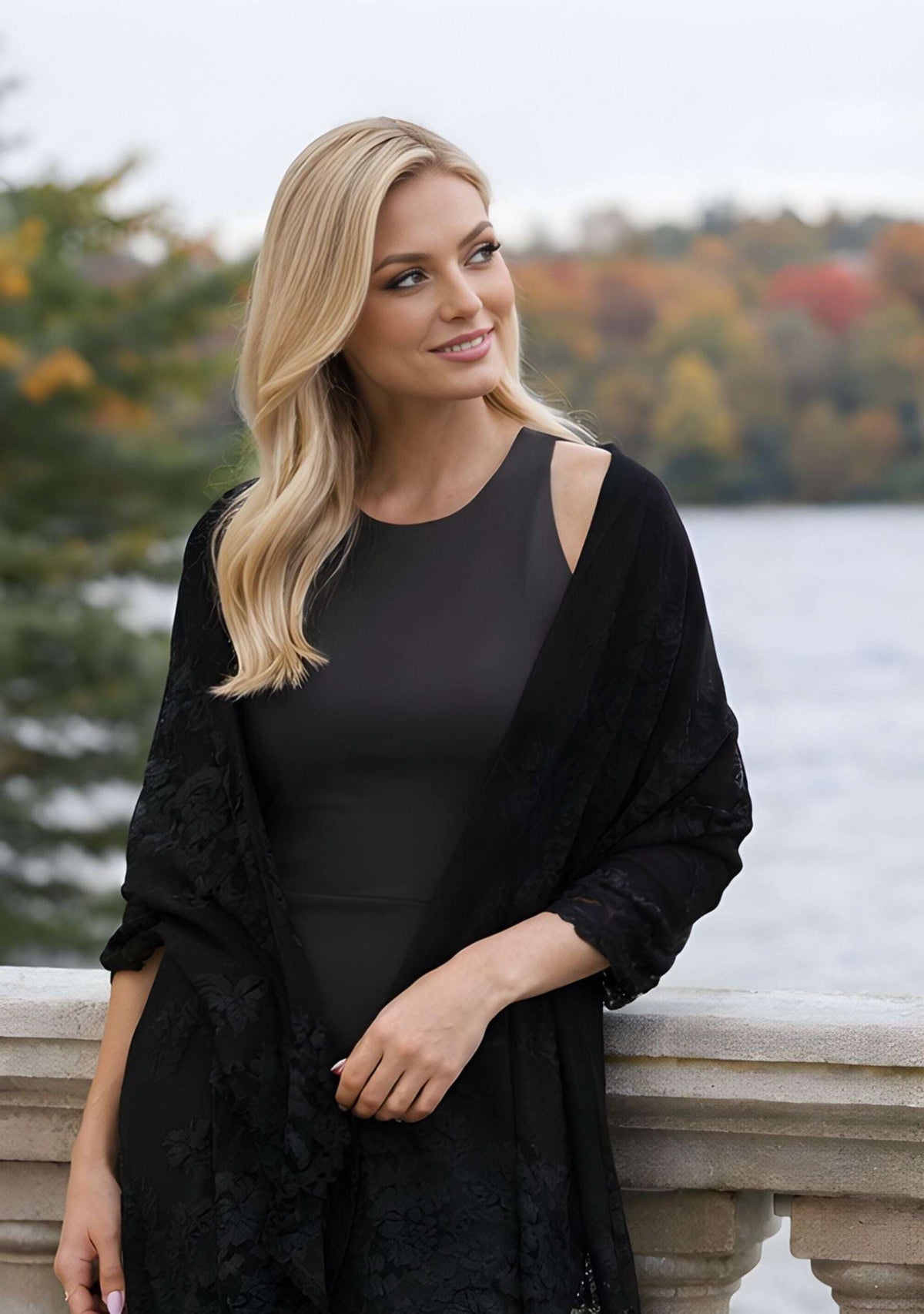
Black Cashmere ScarfBlack Lace
Sale price£348.00 GBP

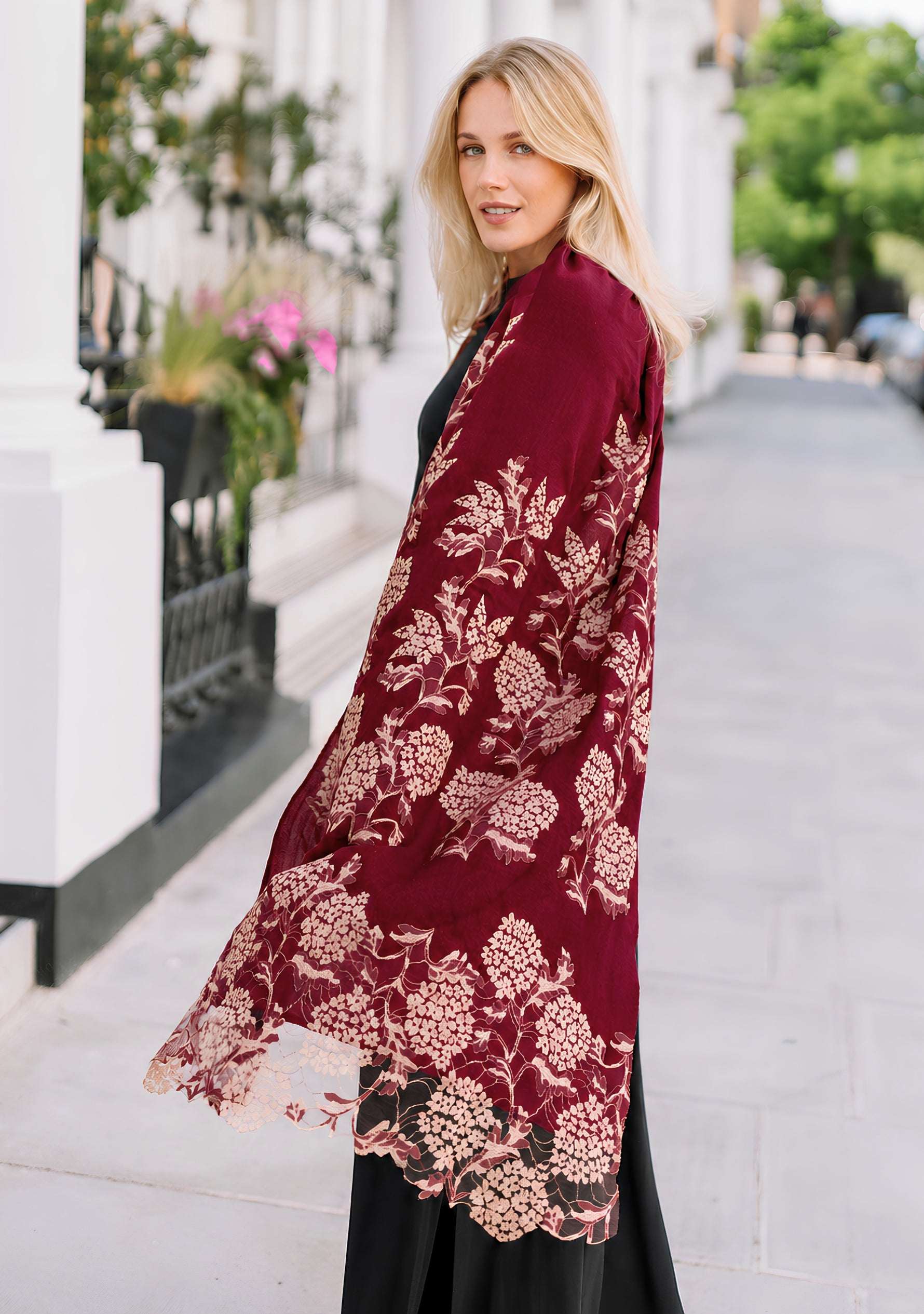
Burgundy Wool & Silk ScarfGold Lace
Sale price£264.00 GBP

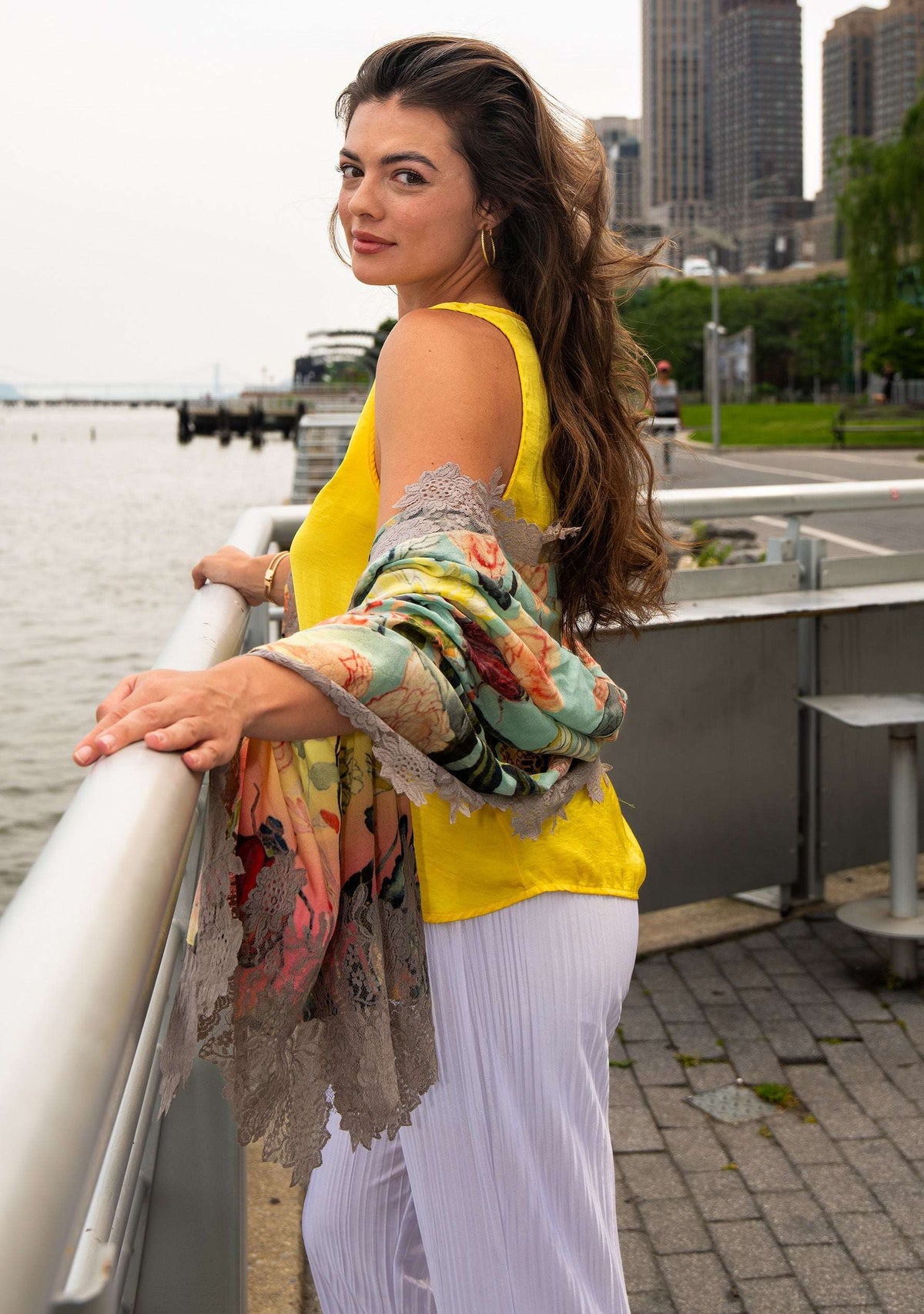
Multi Print Wool & Silk ScarfMousse Lace
Sale price£300.00 GBP

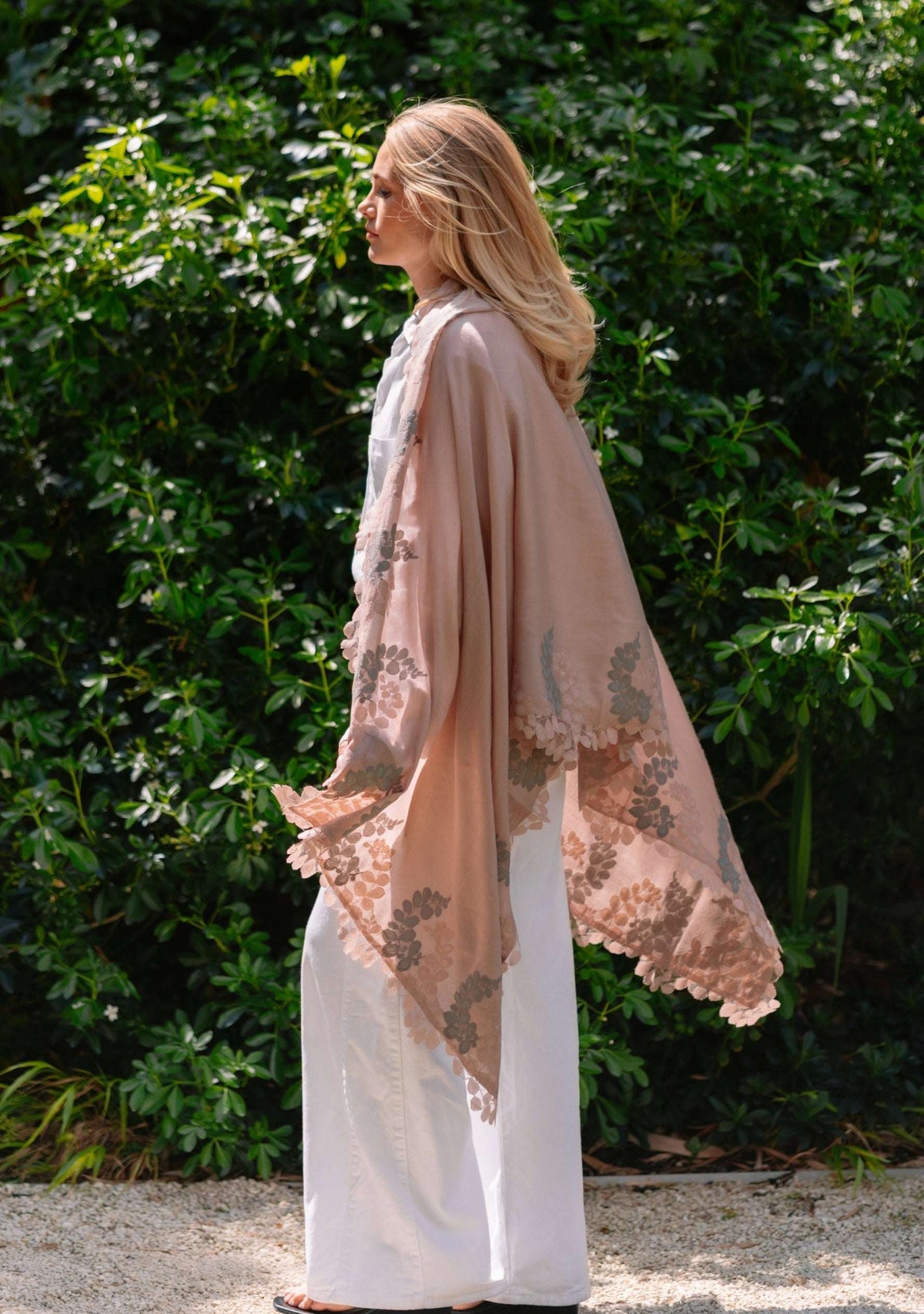
Lt. Copper Silk & Wool ScarfLt. Copper & Mousse Lace
Sale price£300.00 GBP

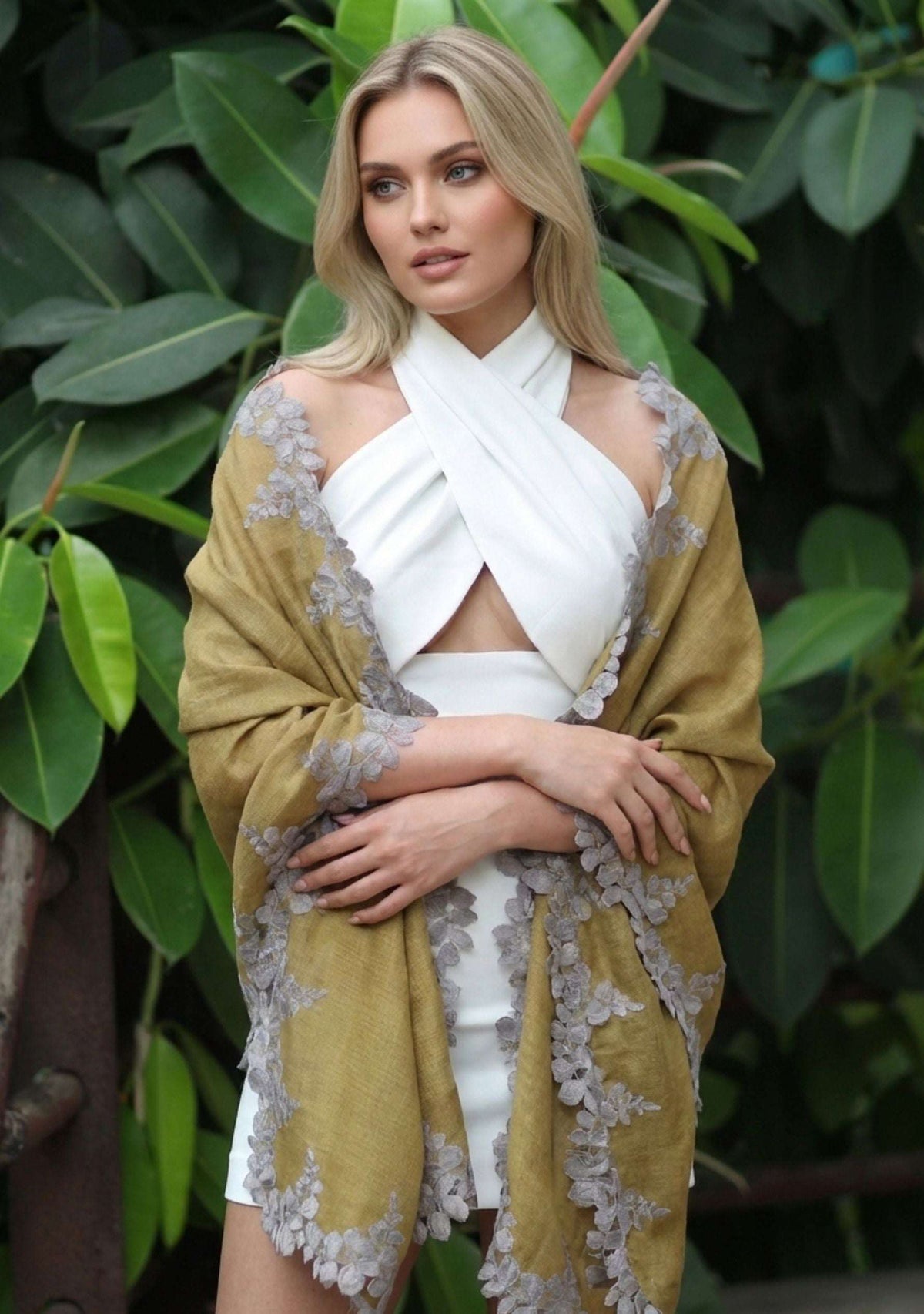
Mustard Linen & Modal ScarfMousse Lace
Sale price£252.00 GBP

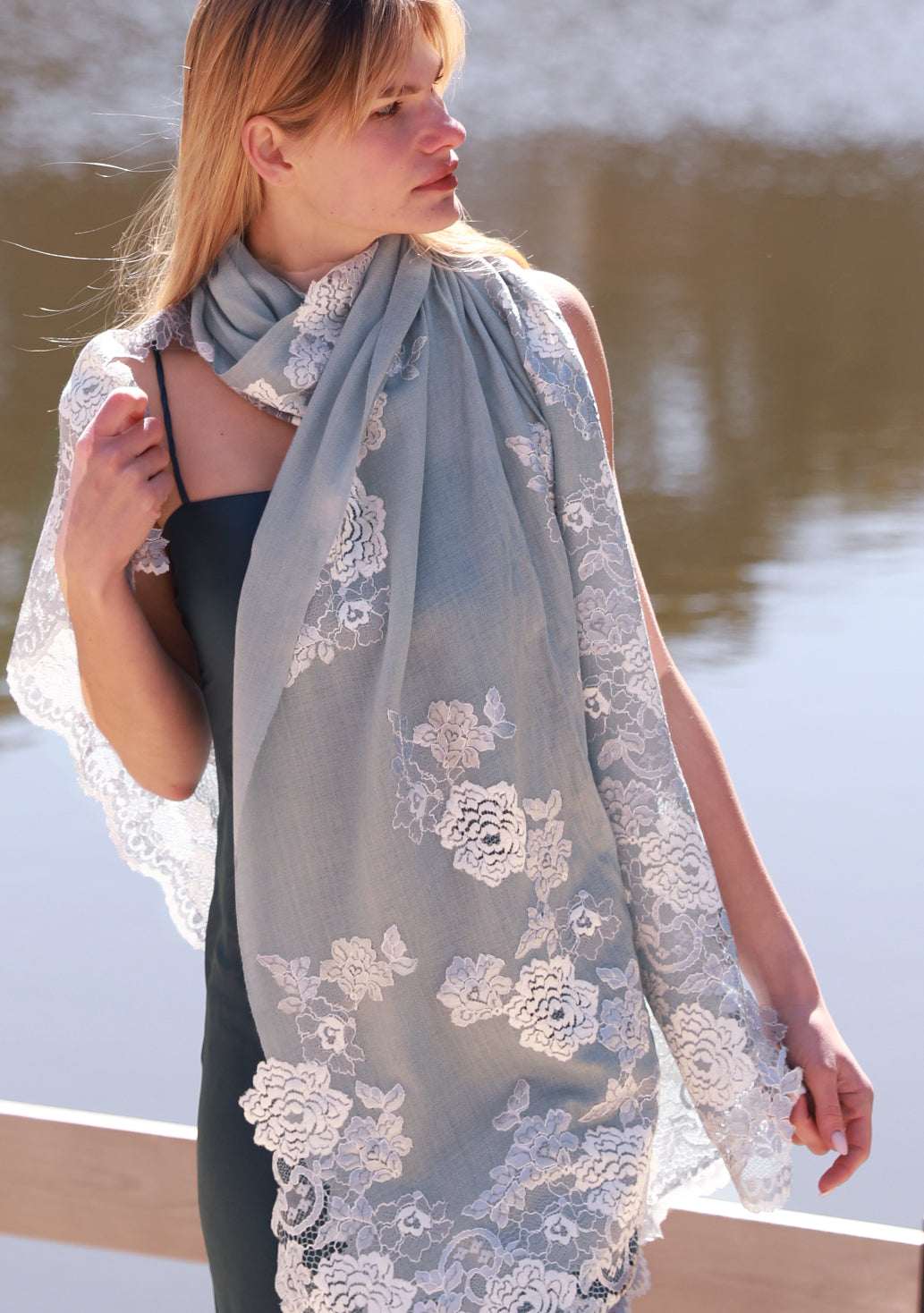
Silver Gray Cashmere ScarfSilver Gray & Lt. Blue Lace
Sale price£348.00 GBP

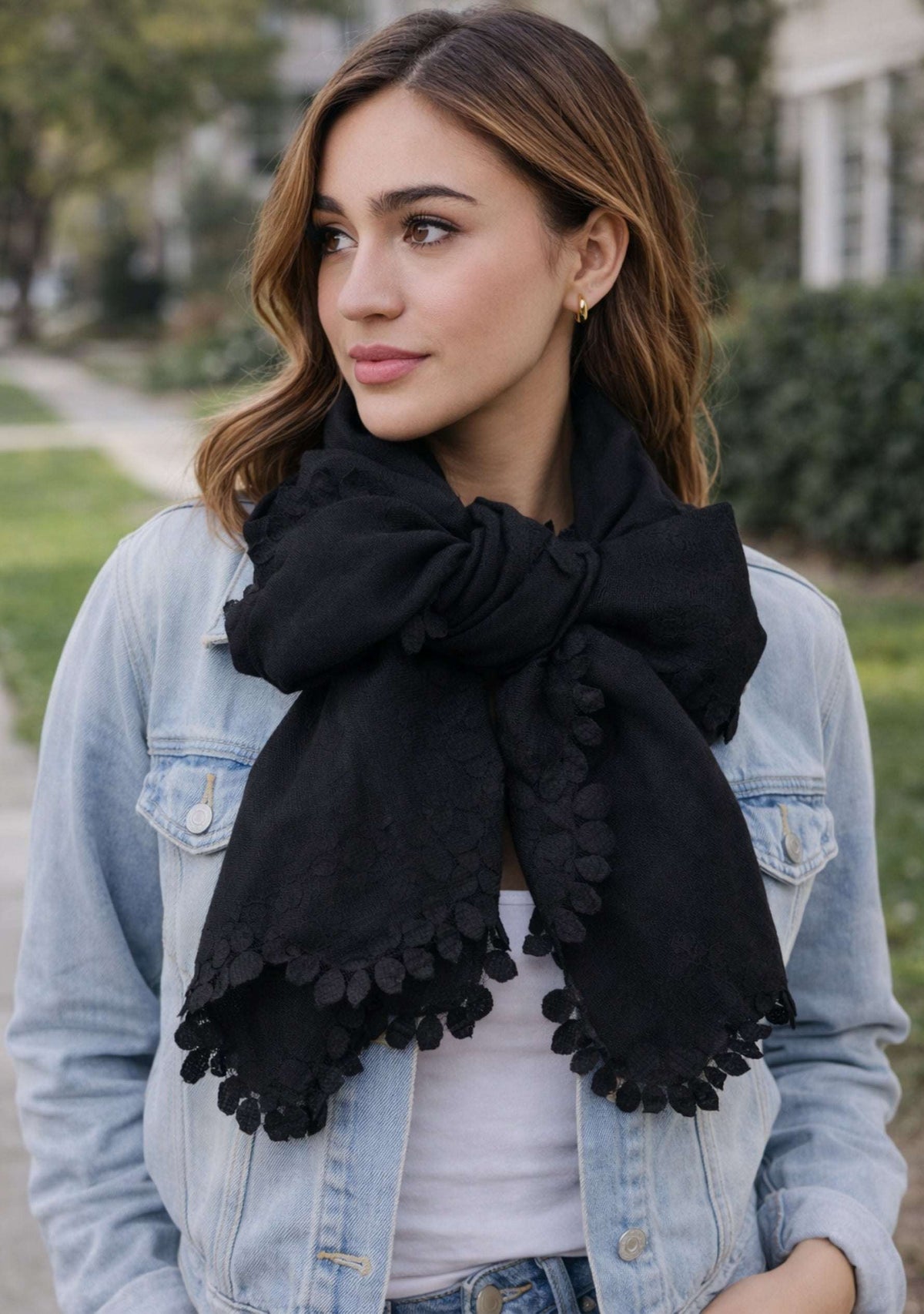
Black Silk & Wool ScarfBlack Lace
Sale price£276.00 GBP

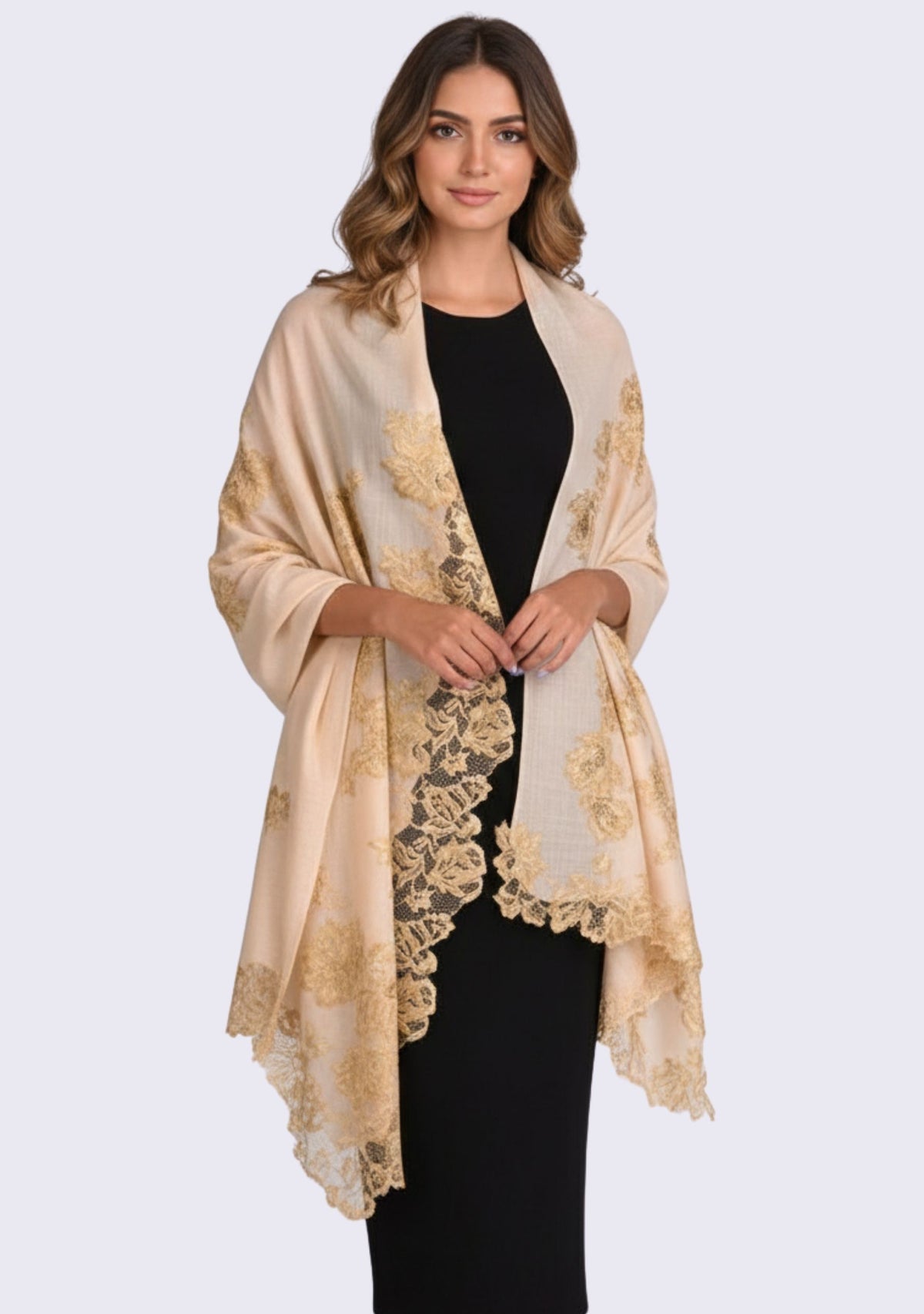
Beige Cashmere ScarfGold Lace
Sale price£348.00 GBP

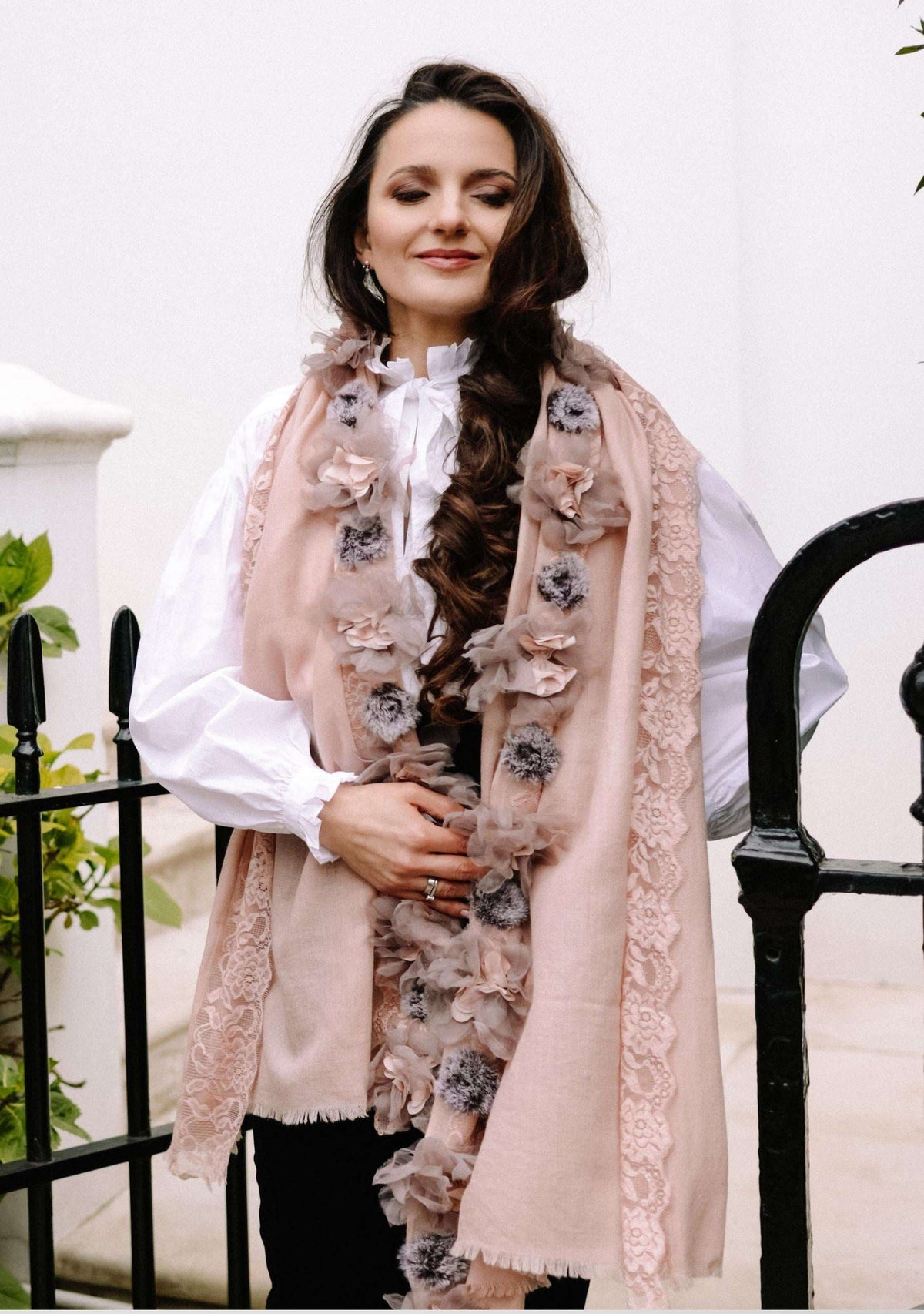
Lt. Copper Cashmere ScarfLace, 3D Applique & Gray faux Fur Pom Poms
Sale price£296.00 GBP

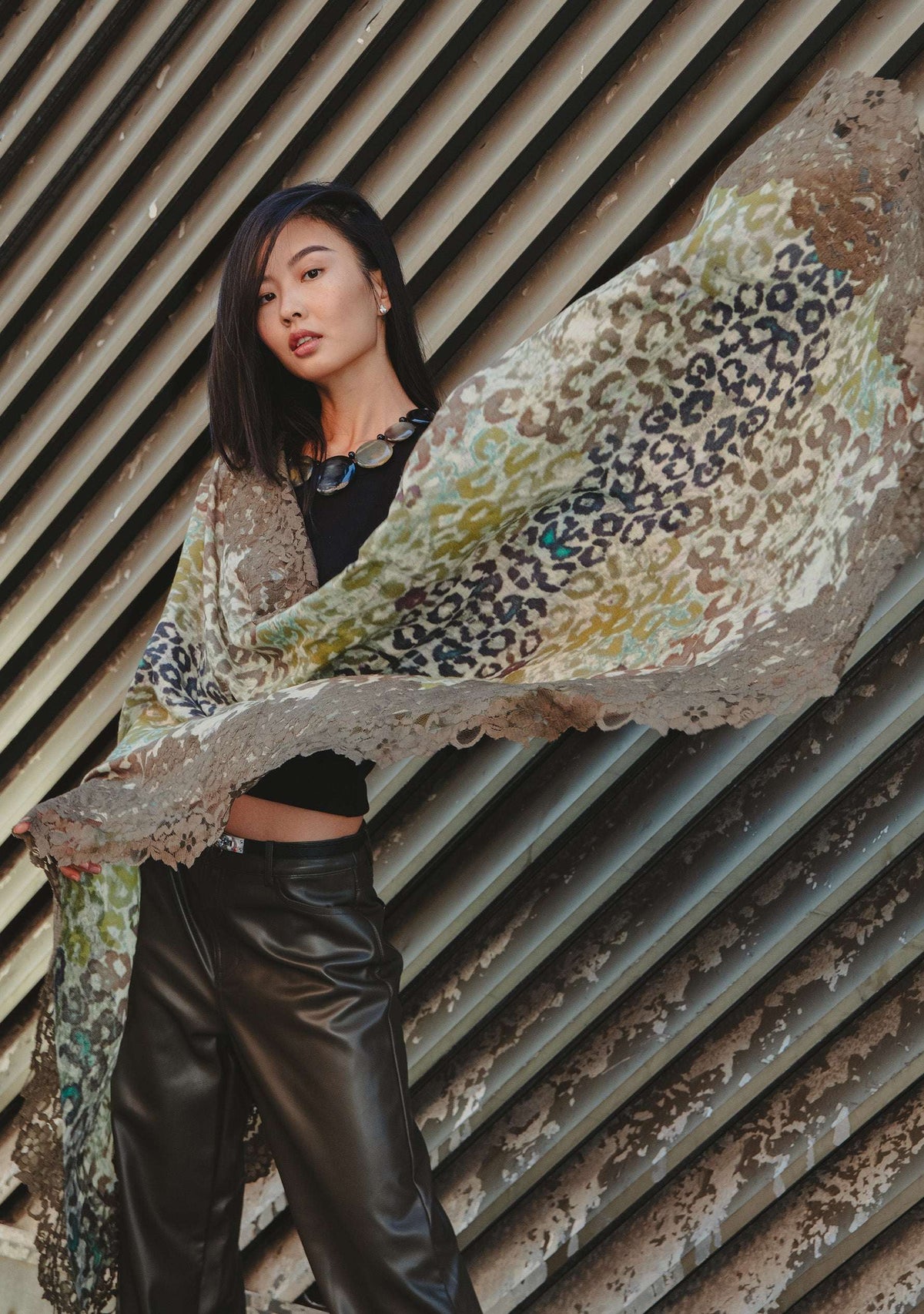
Khaki Leopard Print Wool & Silk ScarfKhaki Lace
Sale price£220.00 GBP

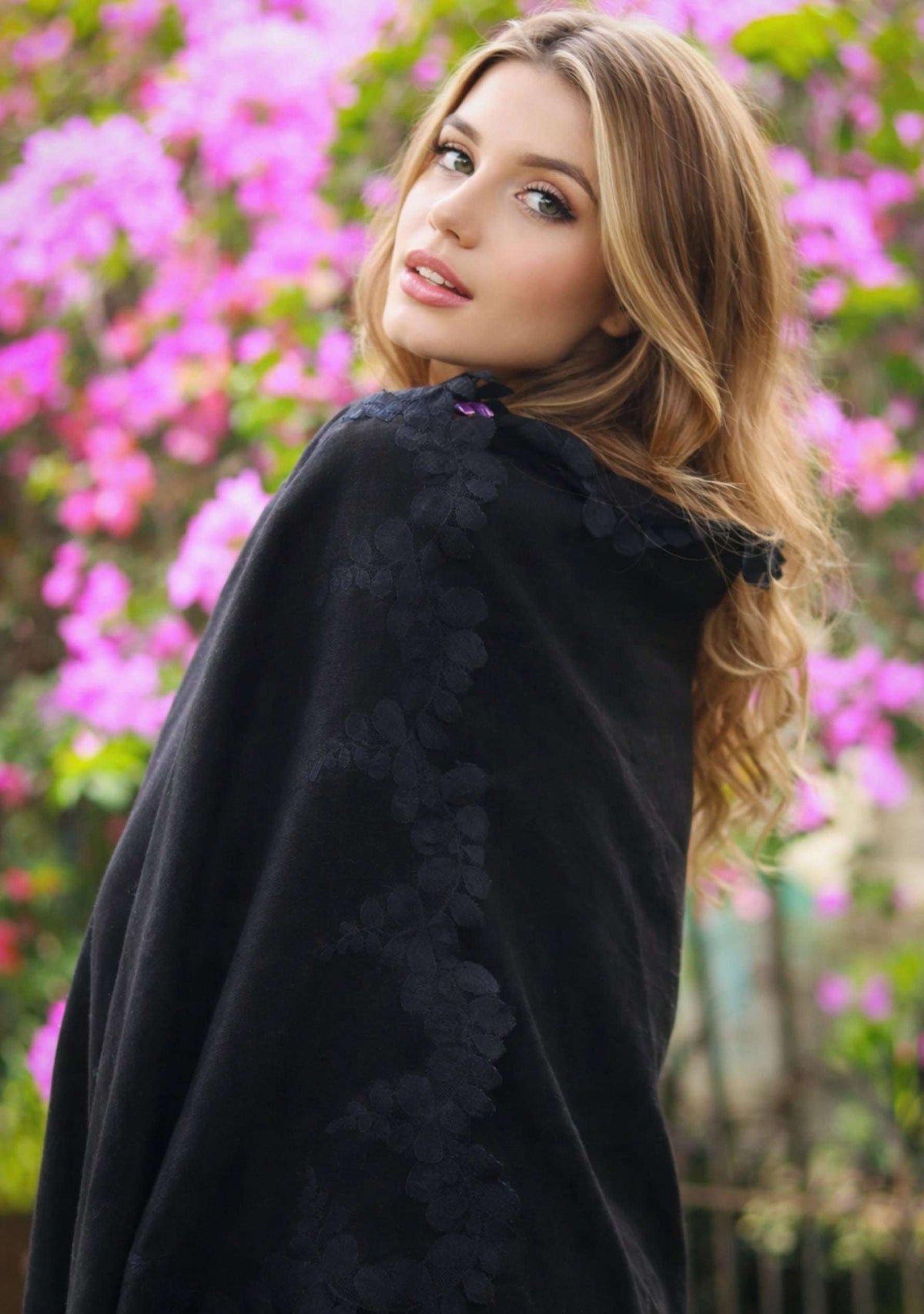
Black Linen & Modal ScarfBlack Lace
Sale price£252.00 GBP

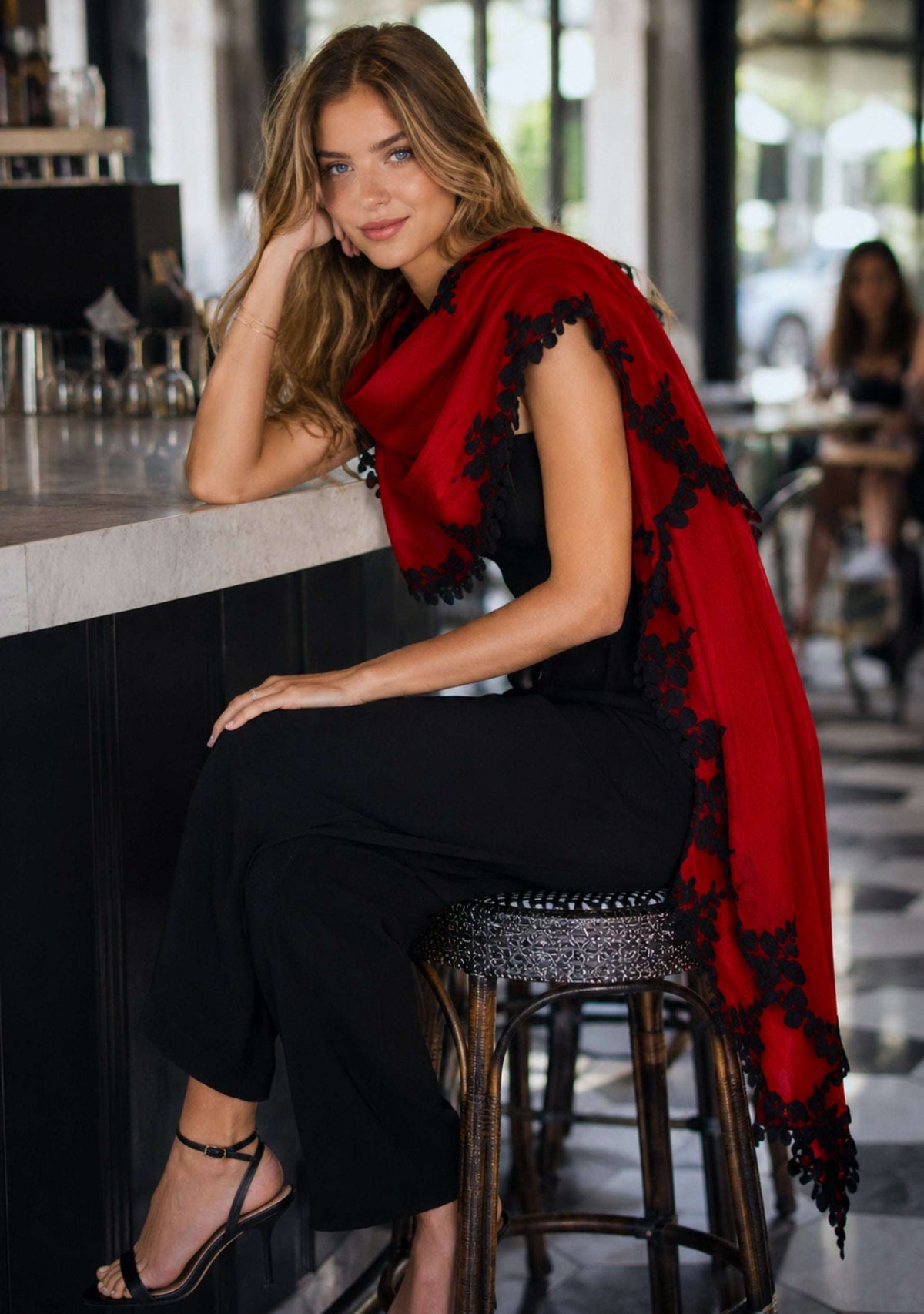
Red Silk & Wool ScarfBlack Lace
Sale price£276.00 GBP

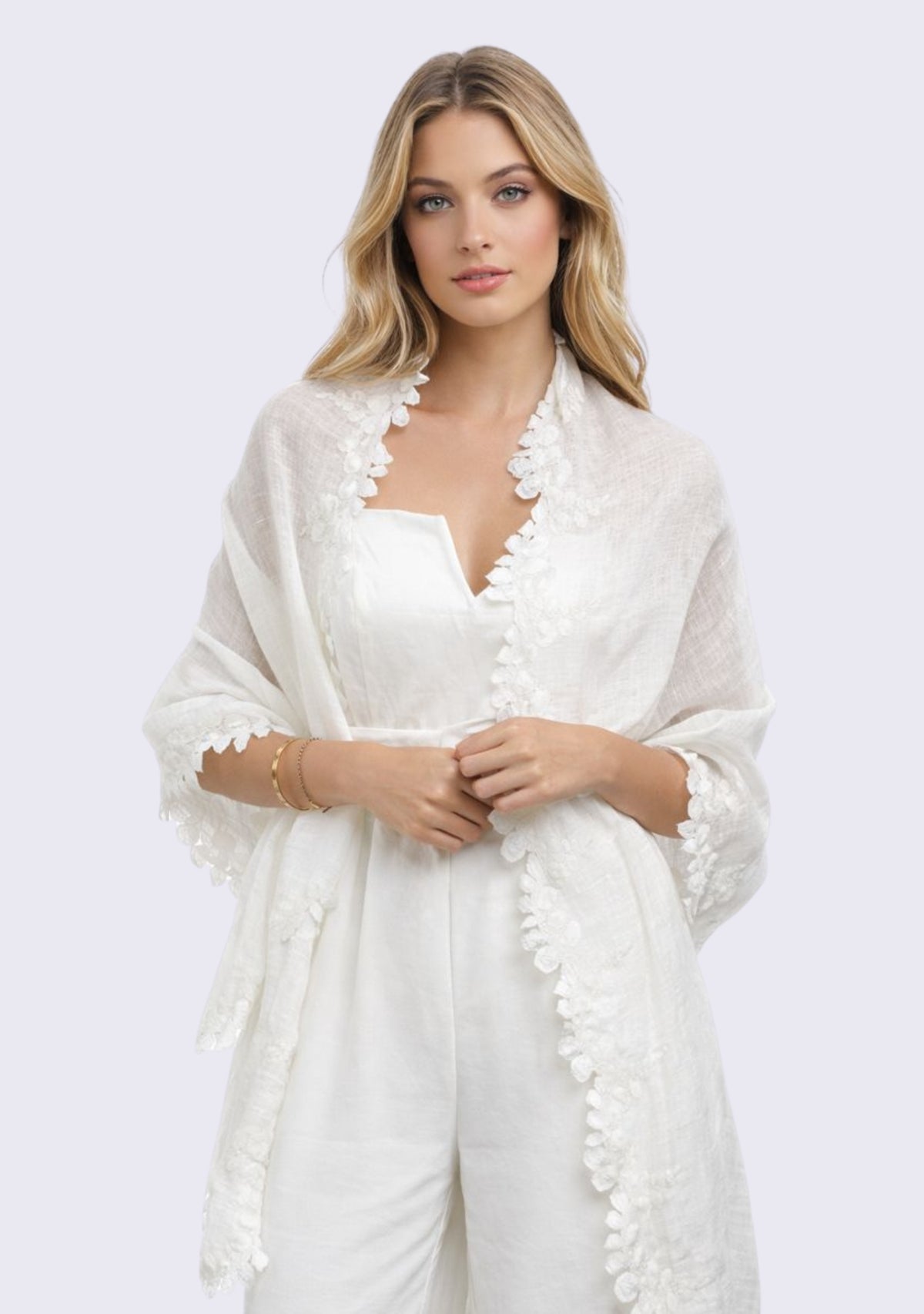
Ivory Linen & Modal ScarfIvory Lace
Sale price£252.00 GBP

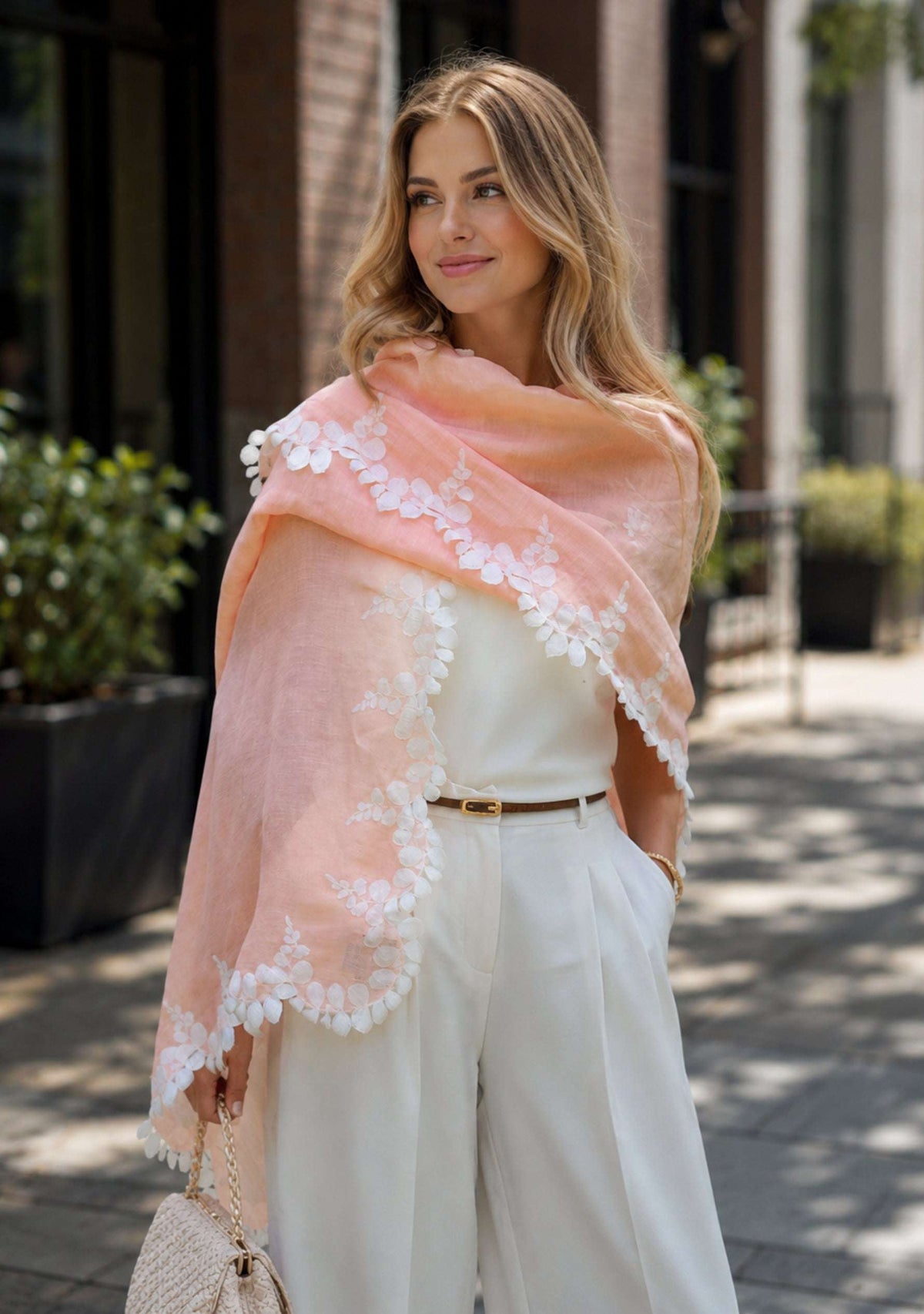
Lt. Peach Linen & Modal ScarfIvory Lace
Sale price£252.00 GBP

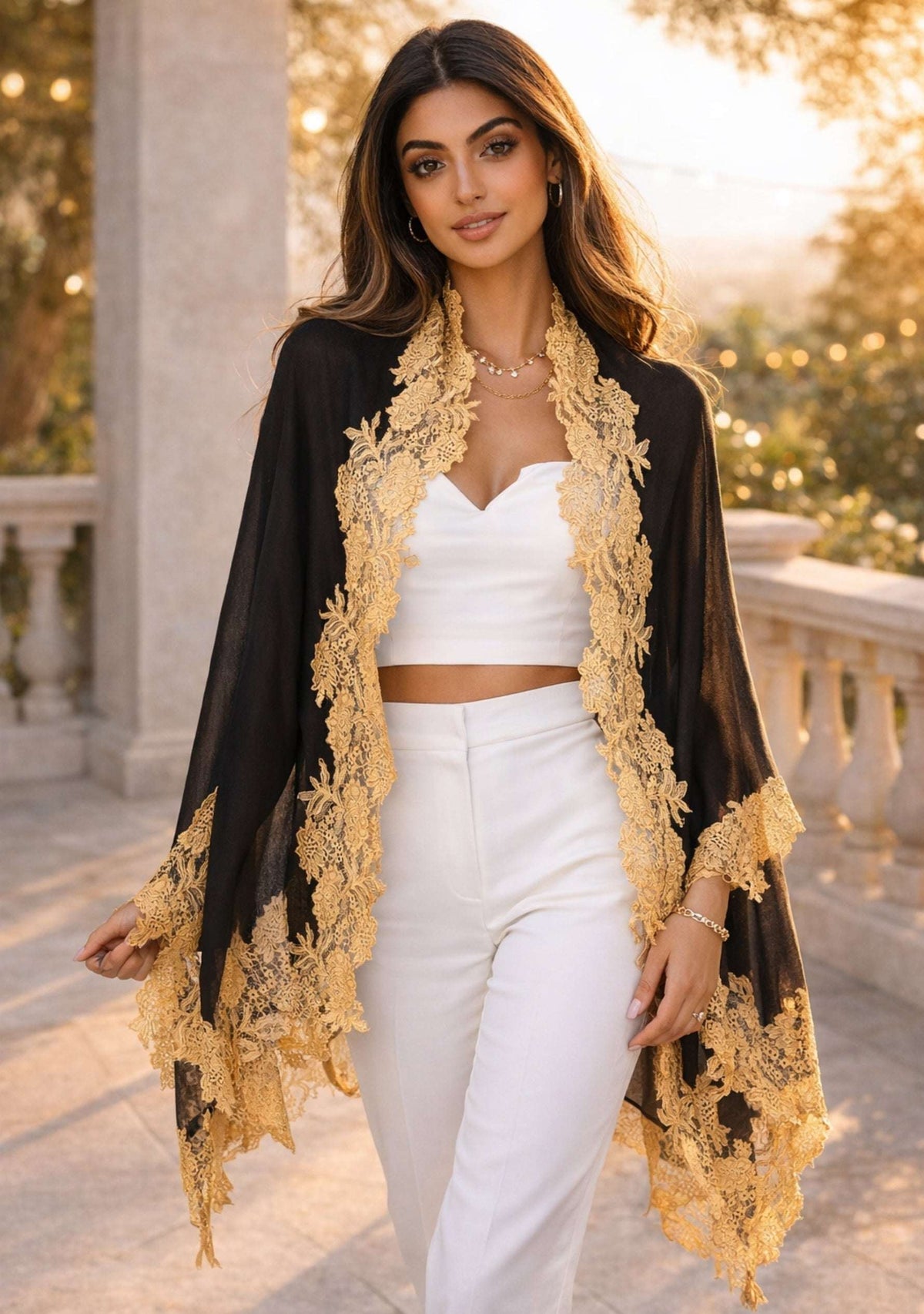
Black Wool & Silk ScarfDk. Gold Lace
Sale price£240.00 GBP

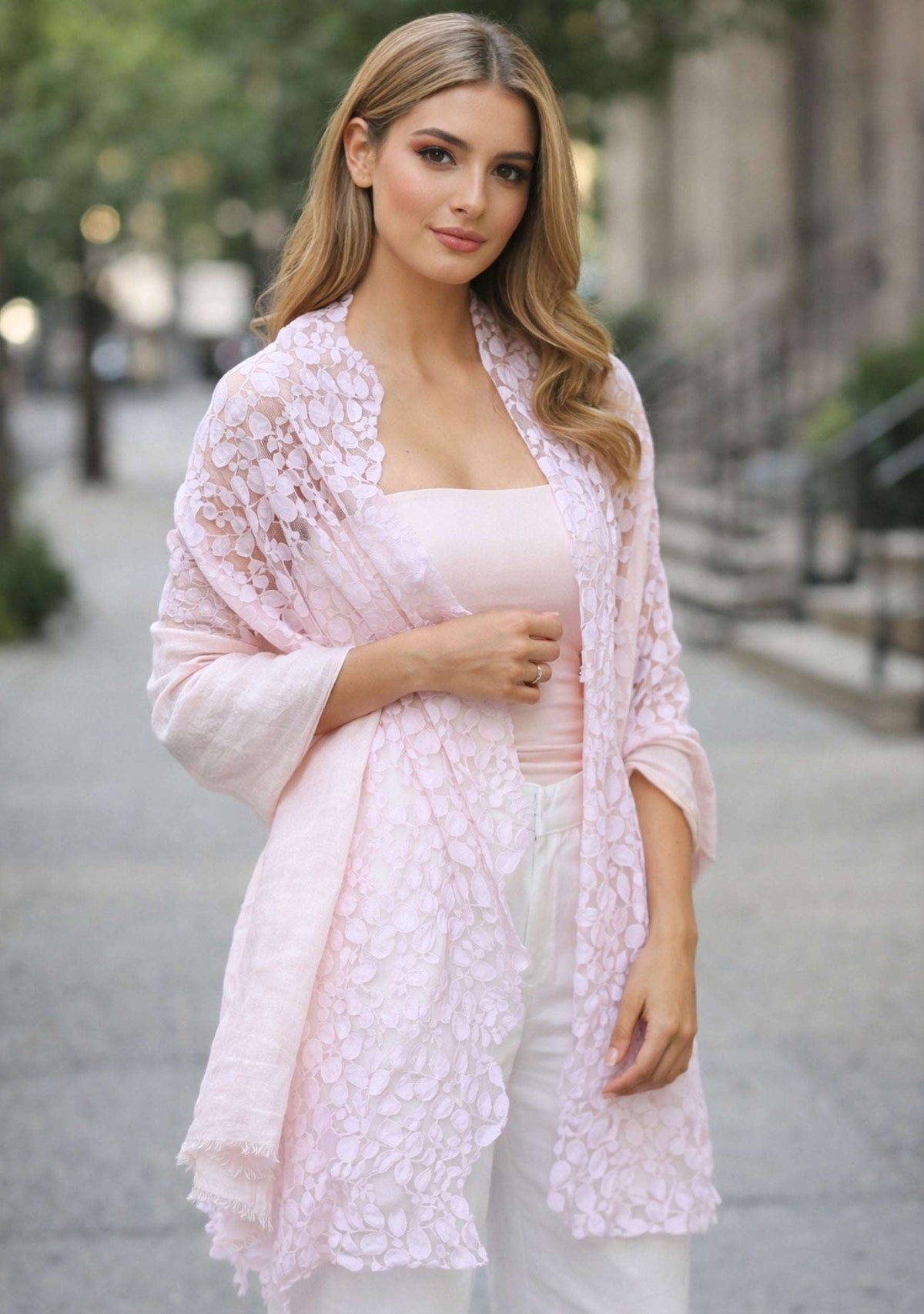
Soft Pink Linen & Modal ScarfSoft Pink Lace
Sale price£228.00 GBP

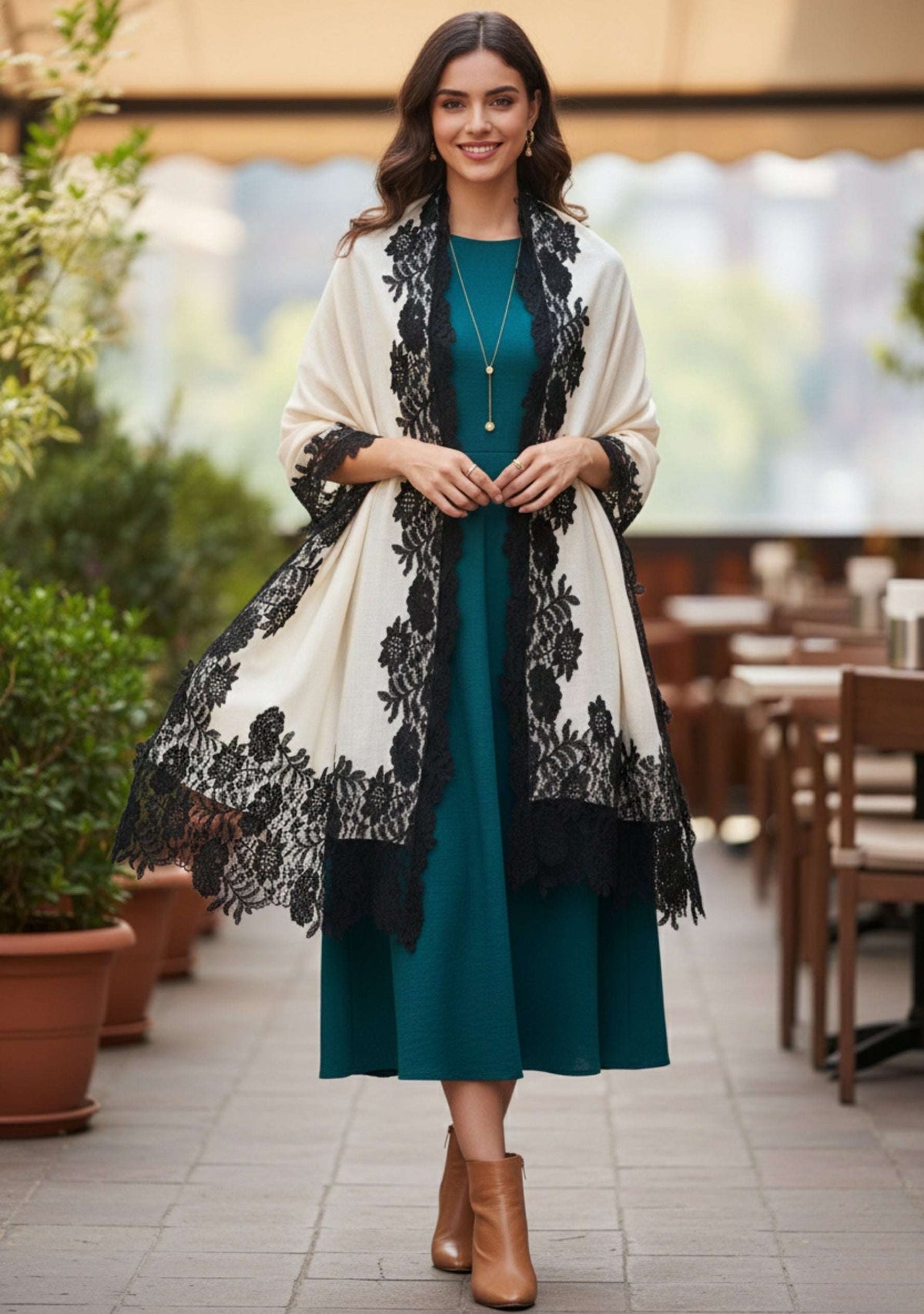
Ivory Wool & Silk ScarfBlack Lace
Sale price£240.00 GBP

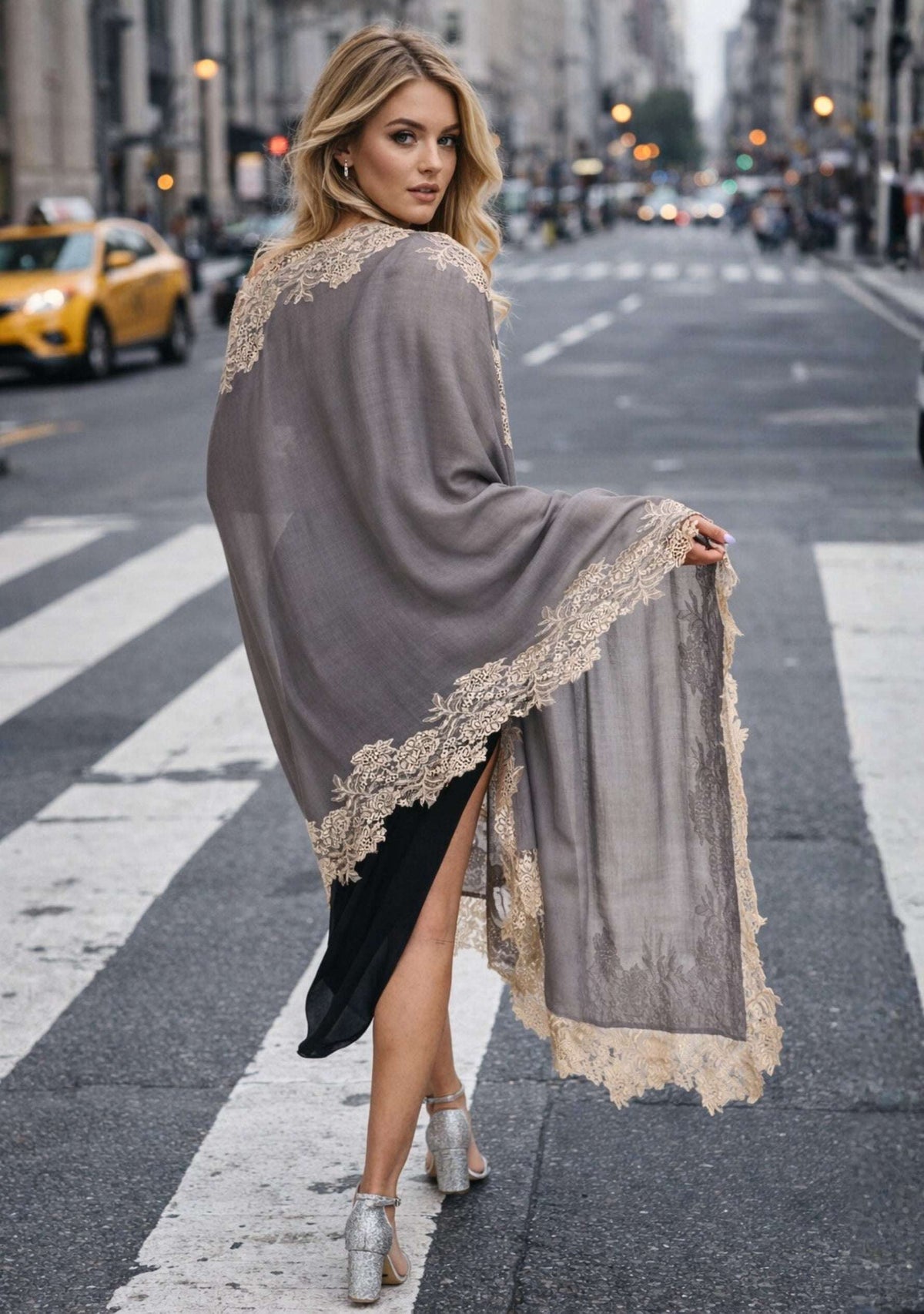
Mousse Wool & Silk ScarfSilver Lace
Sale price£240.00 GBP

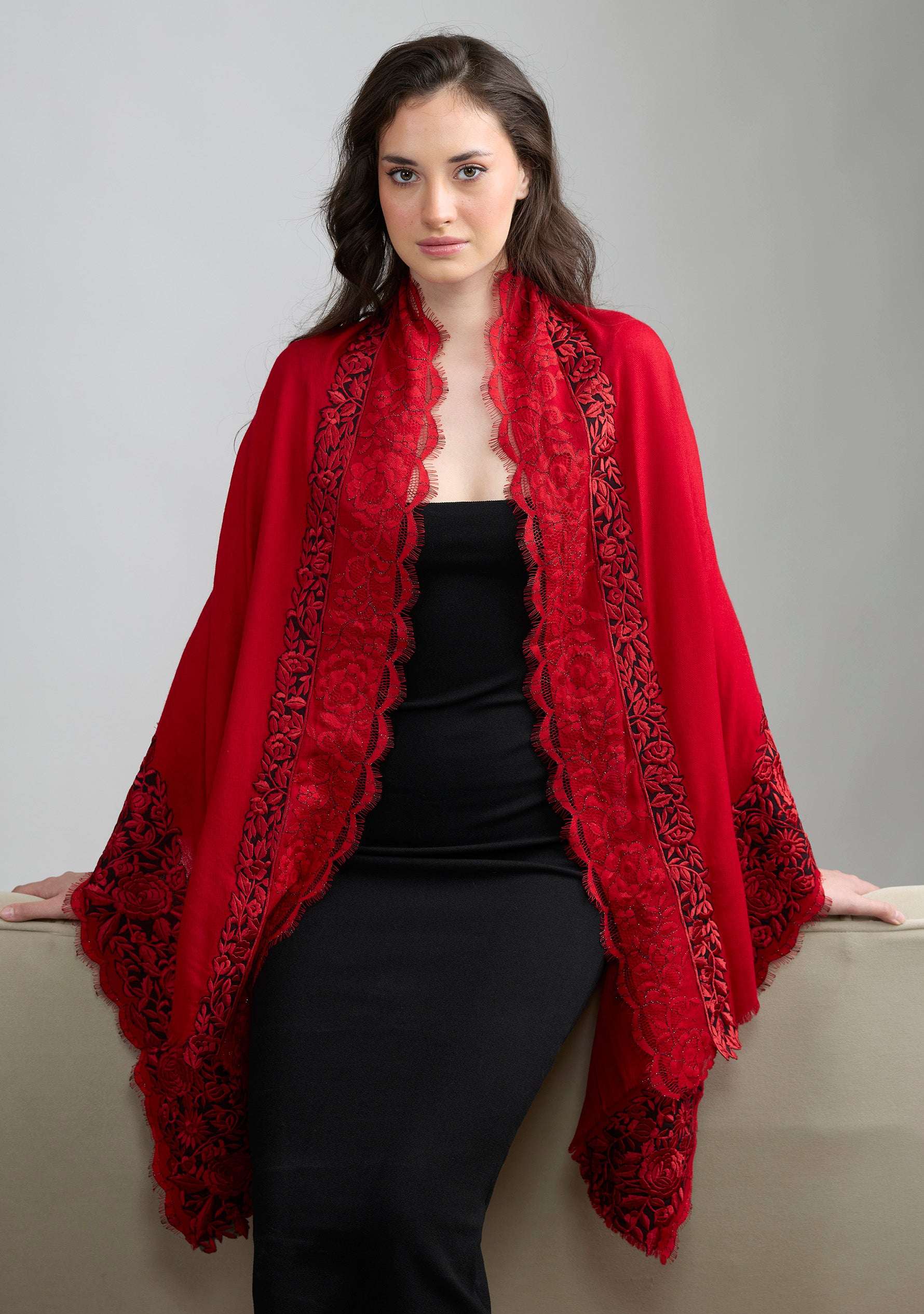
Red Cashmere ScarfBlack & Red Embroidery and Lace
Sale price£460.00 GBP


Black Wool & Silk ScarfBlack Lace
Sale price£240.00 GBP

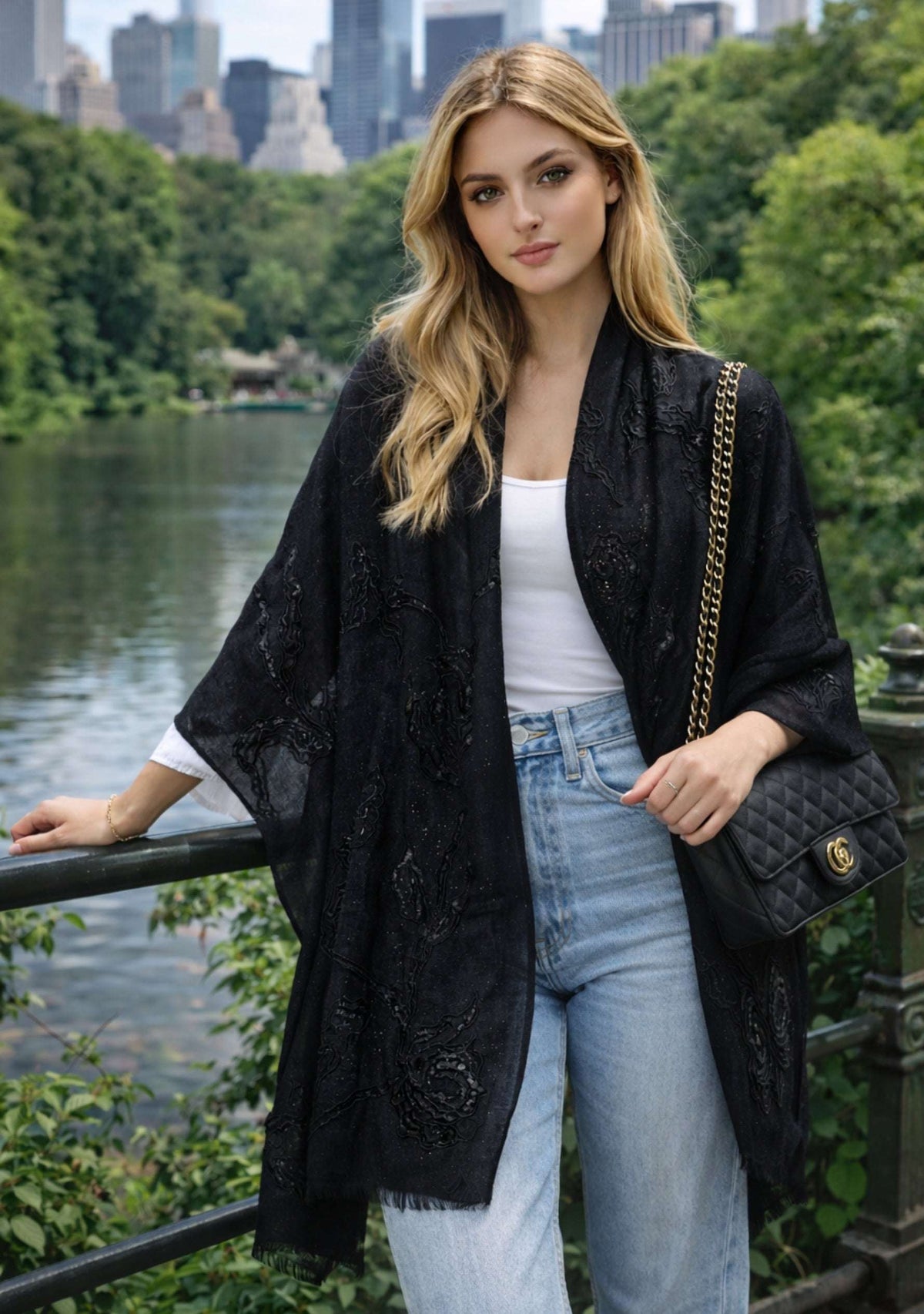
Black Cashmere ScarfBlack Lace
Sale price£340.00 GBP

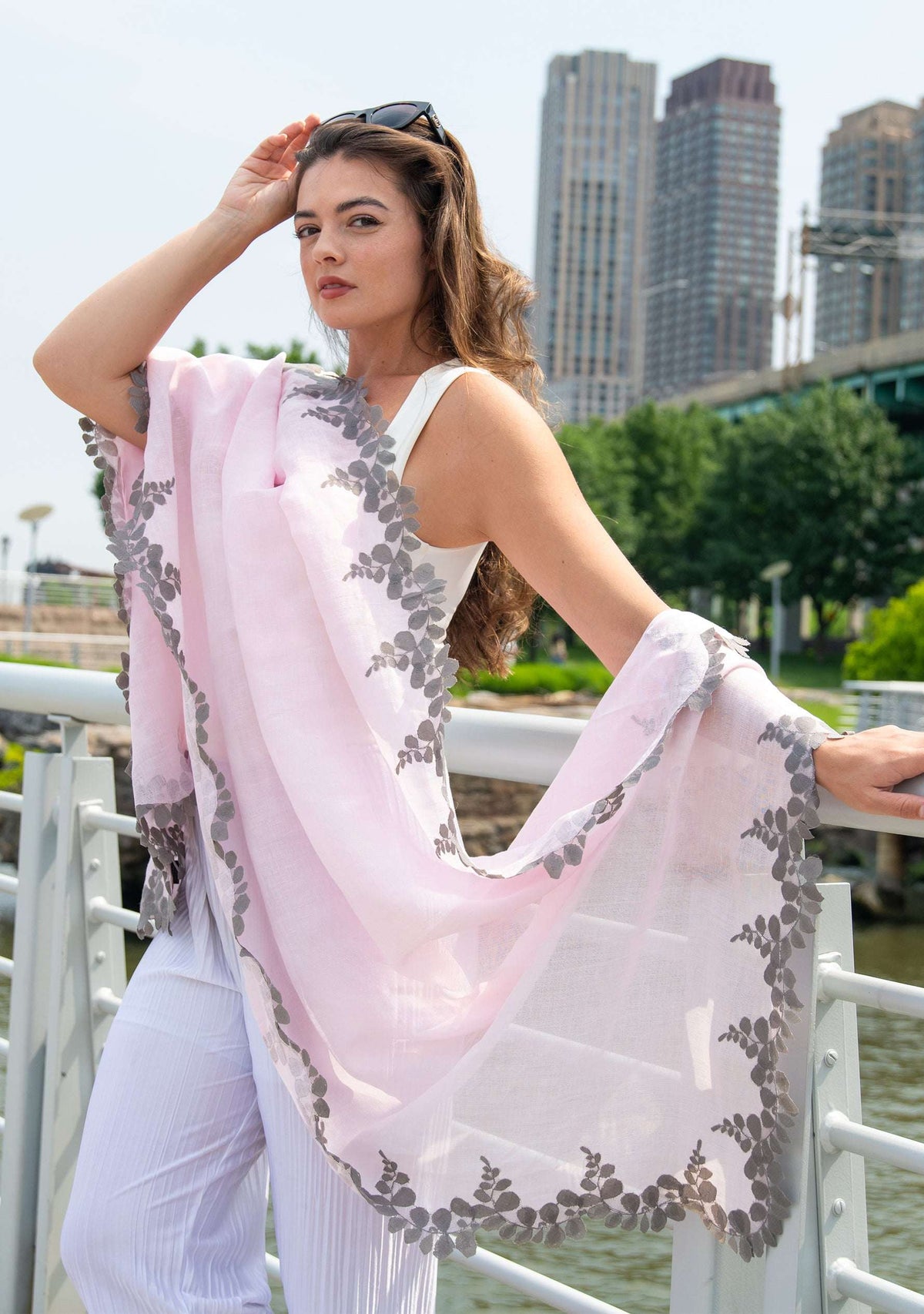
Baby Pink Linen & Modal ScarfMousse Lace
Sale price£252.00 GBP

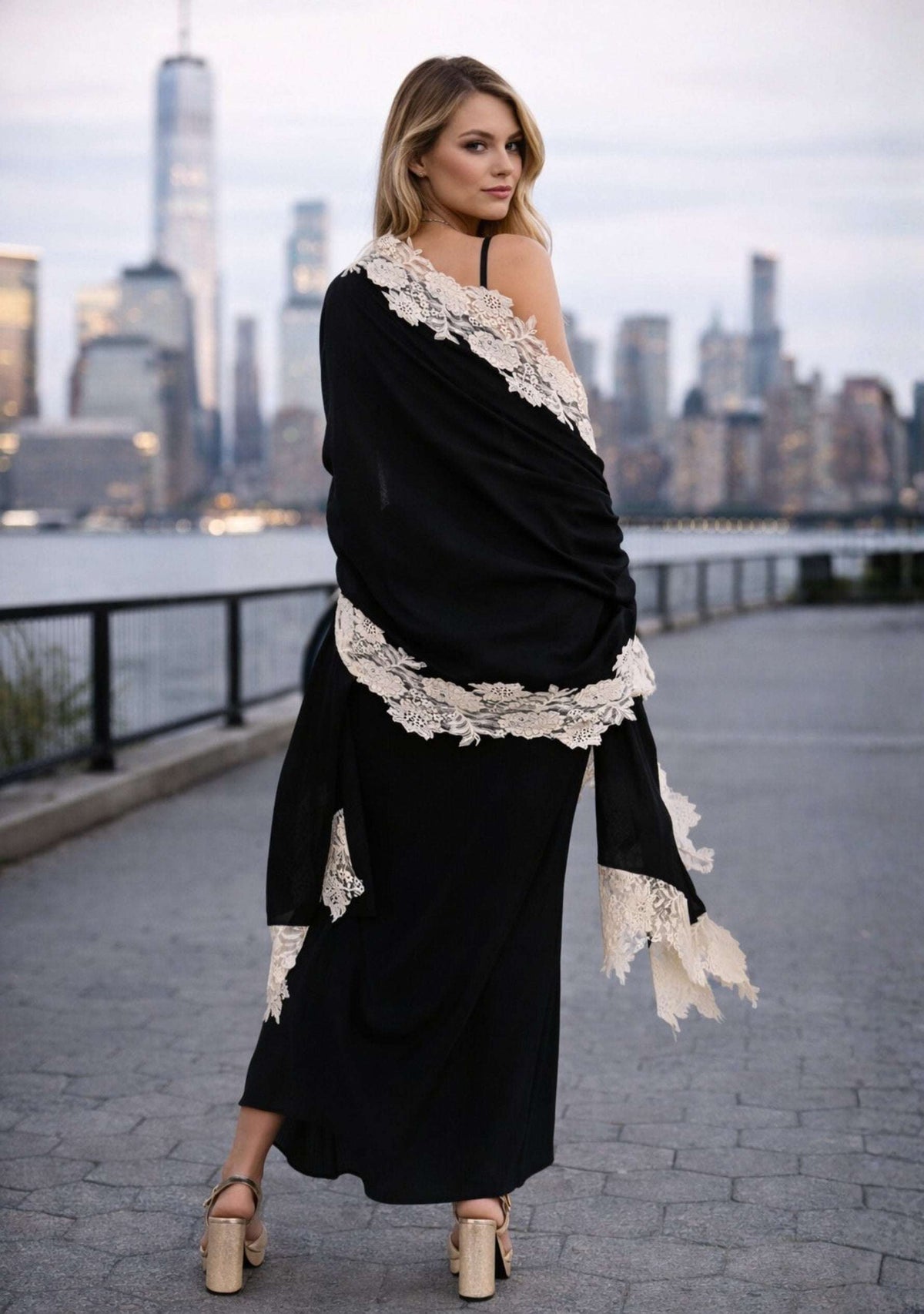
Black Wool & Silk ScarfBeige Lace
Sale price£240.00 GBP

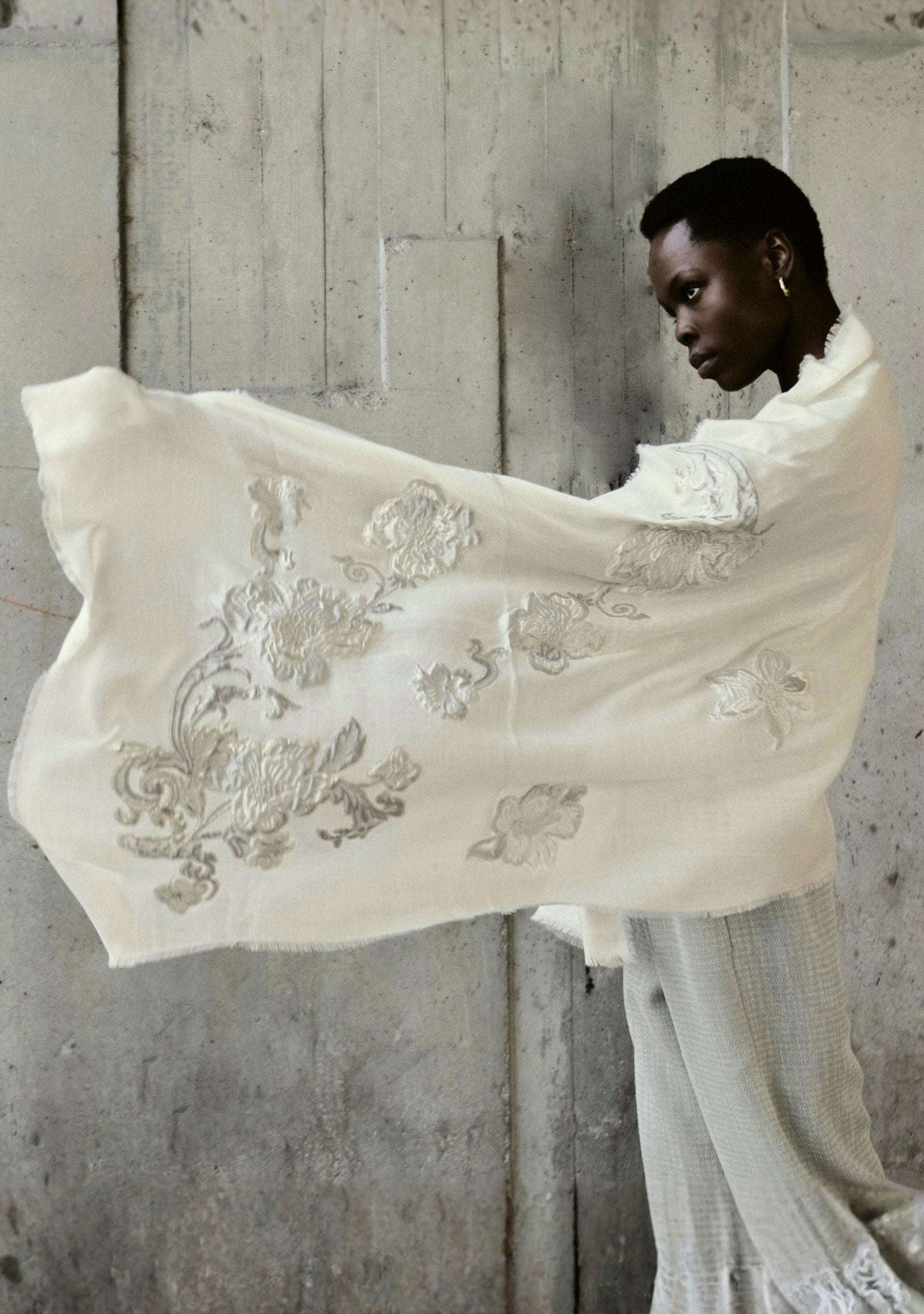
Ivory Cashmere ScarfGrey & Silver Applique
Sale price£308.00 GBP
FAQS
1. What are lace scarves made from?
At Maneesha Ruia, lace scarves use cashmere, wool, silk wool blends, and linen & modal fabrics as their base. The lace is stitched or applied by hand, with styles including filigree, Chantilly, floral lace, and lace border detailing.
2. Are these lace scarves handmade?
Yes. The lace detailing on each scarf is applied by hand in our workshops in India. The style of lace and embellishments used is selected specifically for each piece, and every scarf is handcrafted in small batches.
3. What is the difference between filigree lace and Chantilly lace?
Filigree lace has a fine, precise pattern with smaller repeating motifs, while Chantilly lace is softer with more open floral patterns. Filigree appears delicate up close, while Chantilly creates a softer, more elegant effect.
4. What occasions are lace scarves for?
Lace scarves work for evenings, weddings, formal events, and any occasion where a lace scarf enhances an outfit. Lighter lace border styles also work for everyday wear over a coat or with a simple outfit.
5. How do I care for a lace scarf?
All Maneesha Ruia scarves are dry clean only. Avoid steam ironing and do not iron directly on embellishments, embroidery, lace, beadwork, feathers, Swarovski crystals, or sequins. Fold carefully and store in a cool, dry place away from direct sunlight, preferably in the gift bag provided with your purchase.
6. Do lace scarves work in winter?
Yes. Lace scarves made with cashmere or wool fabrics provide warmth while maintaining an elegant finish. Heavier fabrics such as cashmere make lace scarves suitable for colder weather.
Handcrafted Lace Scarves Designed for Timeless Elegance
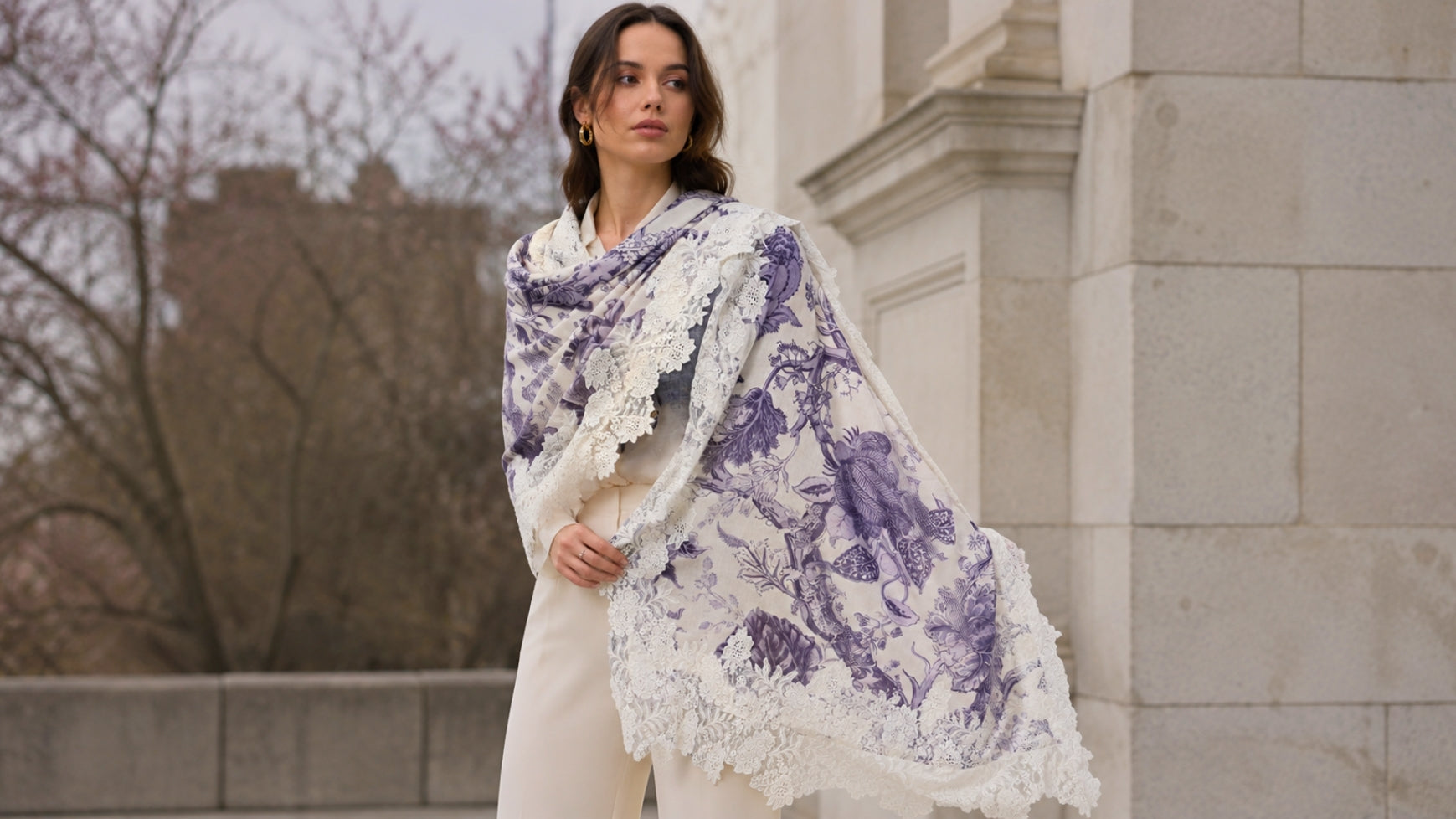
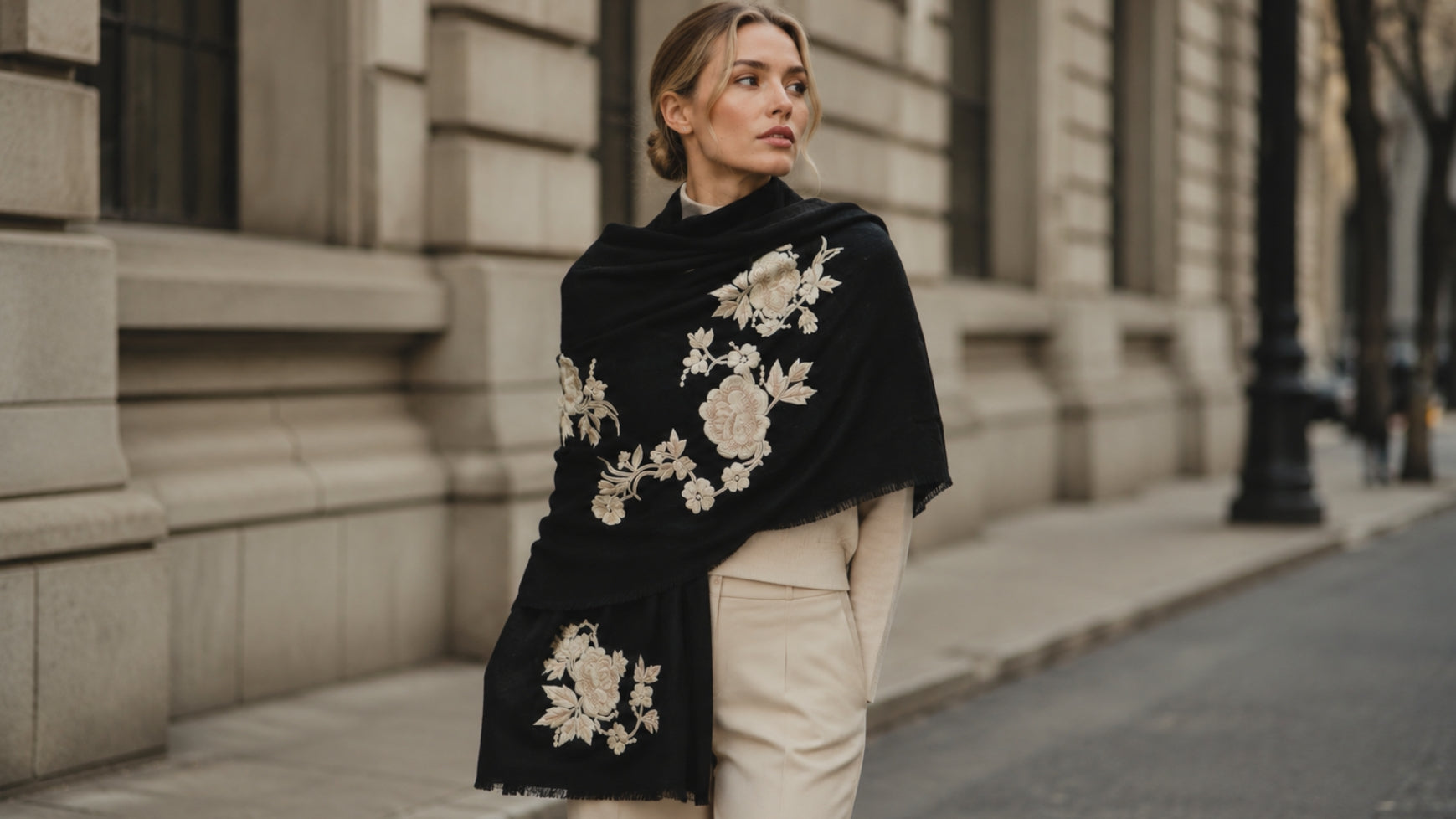
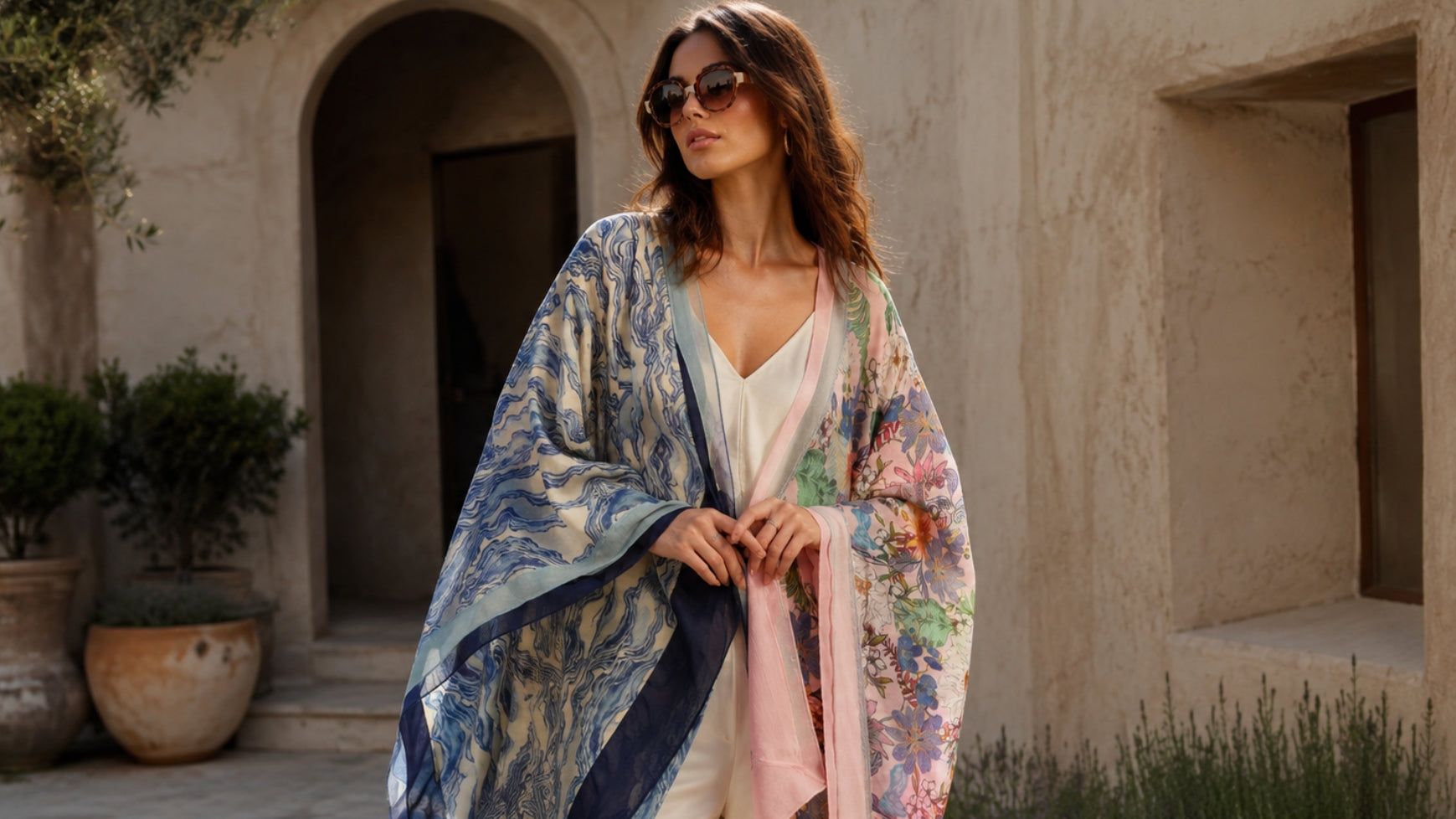
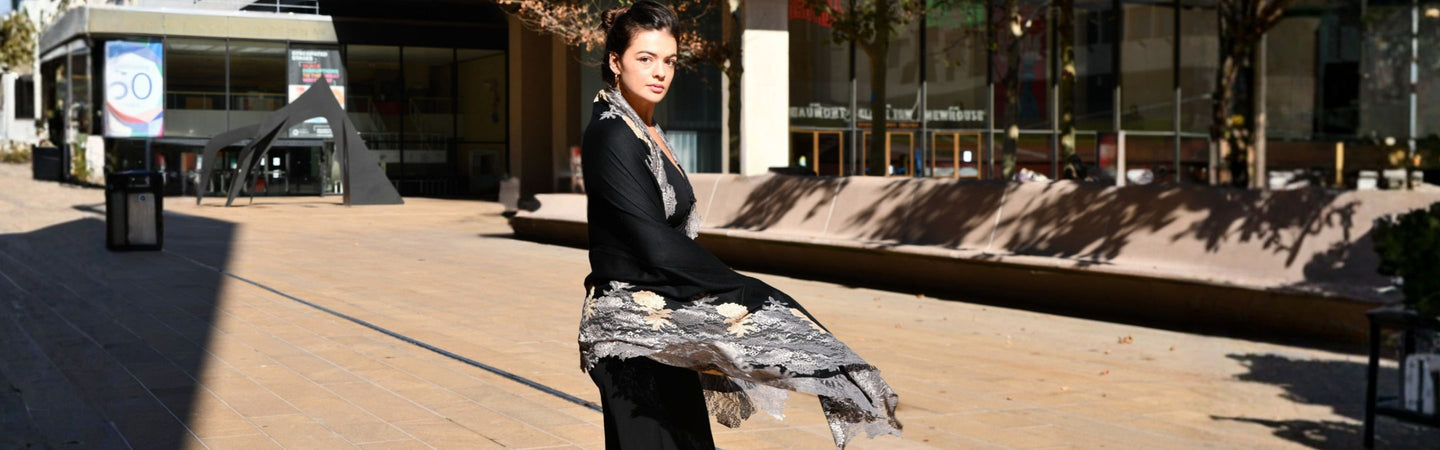
Lace scarves occupy a unique place in a wardrobe, offering enough detail to make a statement while remaining lightweight for effortless wear. At Maneesha Ruia, each lace scarf is crafted using natural fabrics such as cashmere, silk wool, or merino wool, and finished with intricate lacework, embroidery, beadwork, and hand detailing chosen to complement each design. Every piece is handcrafted in small batches across India, reflecting exceptional craftsmanship and timeless elegance.Types of Lace Scarves in This Collection
There are many varieties of lace scarves, each made differently with different types...Handcrafted Lace Scarves Designed for Timeless Elegance
Lace scarves occupy a unique place in a wardrobe, offering enough detail to make a statement while remaining lightweight for effortless wear. At Maneesha Ruia, each lace scarf is crafted using natural fabrics such as cashmere, silk wool, or merino wool, and finished with intricate lacework, embroidery, beadwork, and hand detailing chosen to complement each design. Every piece is handcrafted in small batches across India, reflecting exceptional craftsmanship and timeless elegance.Types of Lace Scarves in This Collection
There are many varieties of lace scarves, each made differently with different types of lace. This changes everything, from how the scarf looks and feels to how it styles within an outfit.Filigree lace scarves:
Filigree lace scarves use a fine, almost architectural lace pattern applied to the surface or edges of the scarf. The pattern is precise, and the visual effect is delicate. A filigree lace scarf works well with plain outfits where the lace detail can be seen clearly.Chantilly lace scarves:
Chantilly lace scarves use a more open, floral lace that feels softer and lighter. The lace creates an elegant effect that works beautifully for evenings and occasions where subtle detail matters.Lace border scarves:
Lace border scarves have motifs of lace cut by hand and placed along the centre of the scarf, along with lace detailing along the ends or edges. The lace frames the scarf rather than covering it. These styles work as neck scarves, evening wraps, or layered over outerwear.Lace appliqué scarves:
Lace appliqué scarves have lace motifs stitched directly onto the scarf surface. Each appliqué is placed by hand, creating texture and dimension unique to the piece.Materials Used in Our Lace Scarves Collection
We only use sustainable GOTS certified fabrics of Grade A quality, creating the perfect foundation for embellishments, be it lace, embroidery, beadwork, or intricate handwork.The lace scarves in this collection use cashmere, silk wool blends, and linen & modal fabrics. Cashmere gives the scarf softness and weight, while lace adds visual detail.
A cashmere lace scarf combines softness with elegance, creating a timeless balance between luxurious fabric and delicate embellishment.