How to Wear a Scarf: 7 Stylish Ways for Every Occasion


A scarf is one of the most underused pieces in most wardrobes — not because it lacks versatility, but because most people only know one or two ways to wear it. This guide covers seven distinct looks, from the simplest everyday drape to the most occasion-ready styling. Each one works beautifully with the pieces in the Maneesha Ruia scarf collection.
Why Learning How to Wear a Scarf Changes Everything
The right scarf can do the work of a jacket, a necklace, or a statement accessory — depending on how you wear it. Once you move past the standard neck loop, you'll find that a single scarf can carry you from a casual morning to a formal evening with nothing more than a change of styling. The key is starting with a quality piece that has enough drape, length, and character to work across multiple looks. From there, the techniques below take minutes to learn and seconds to execute.
1. The Classic French Drape: Effortless Everyday Elegance
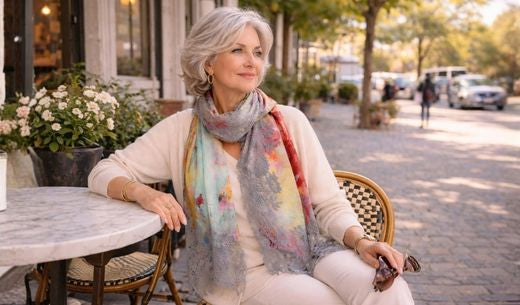
Fold the scarf lengthwise into thirds and drape it around the back of the neck with both ends falling forward. For a relaxed version, loop it once so one end is shorter. This is the most versatile starting point — polished enough for work, relaxed enough for weekends.
Works best with: cashmere or wool-silk scarves that hold their drape without slipping.

2. How to Wear a Scarf With a Dress
For a daytime look: drape the scarf loosely around the shoulders over a fitted dress, letting it hang asymmetrically. One end trailing longer than the other creates a relaxed, elegant silhouette.
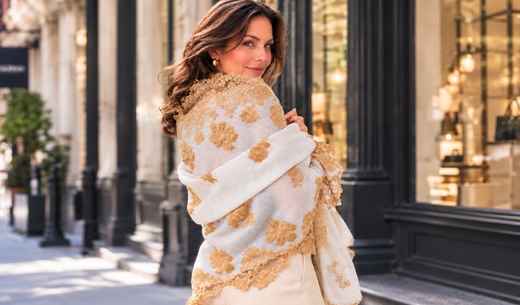
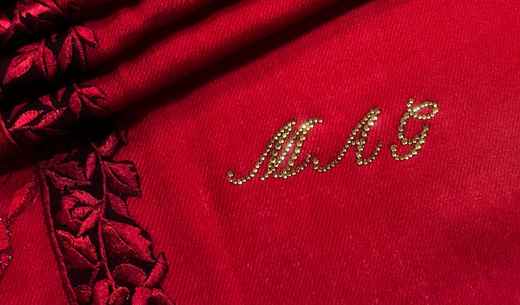
For evening: open the scarf fully and wear it as a wrap or shawl over a sleeveless or structured dress. Secure it with a brooch at the shoulder or simply allow it to drape freely. This approach works especially well with embellished or embroidered scarves that function as statement pieces in their own right.
The occasion wear collection and bridal scarves are particularly well-suited for wearing with dresses.

3. How to Wear a Scarf on Your Head
Fold the scarf into a wide band or triangle. For a head wrap: tie it around the head, knotting at the top or at one side, with any excess fabric tucked or left to trail loosely. For a hair tie: fold into a narrow band and tie it around a low bun or ponytail.
The key to making a head scarf look modern rather than dated is simplicity in the rest of the outfit. Let the scarf be the focal point — keep jewelry minimal and the silhouette clean.
Printed pieces from the printed wraps collection work beautifully for this look.

4. The Shoulder Drape: Effortless Coverage and Quiet Glamour
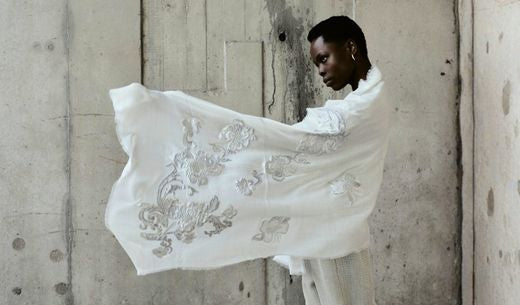
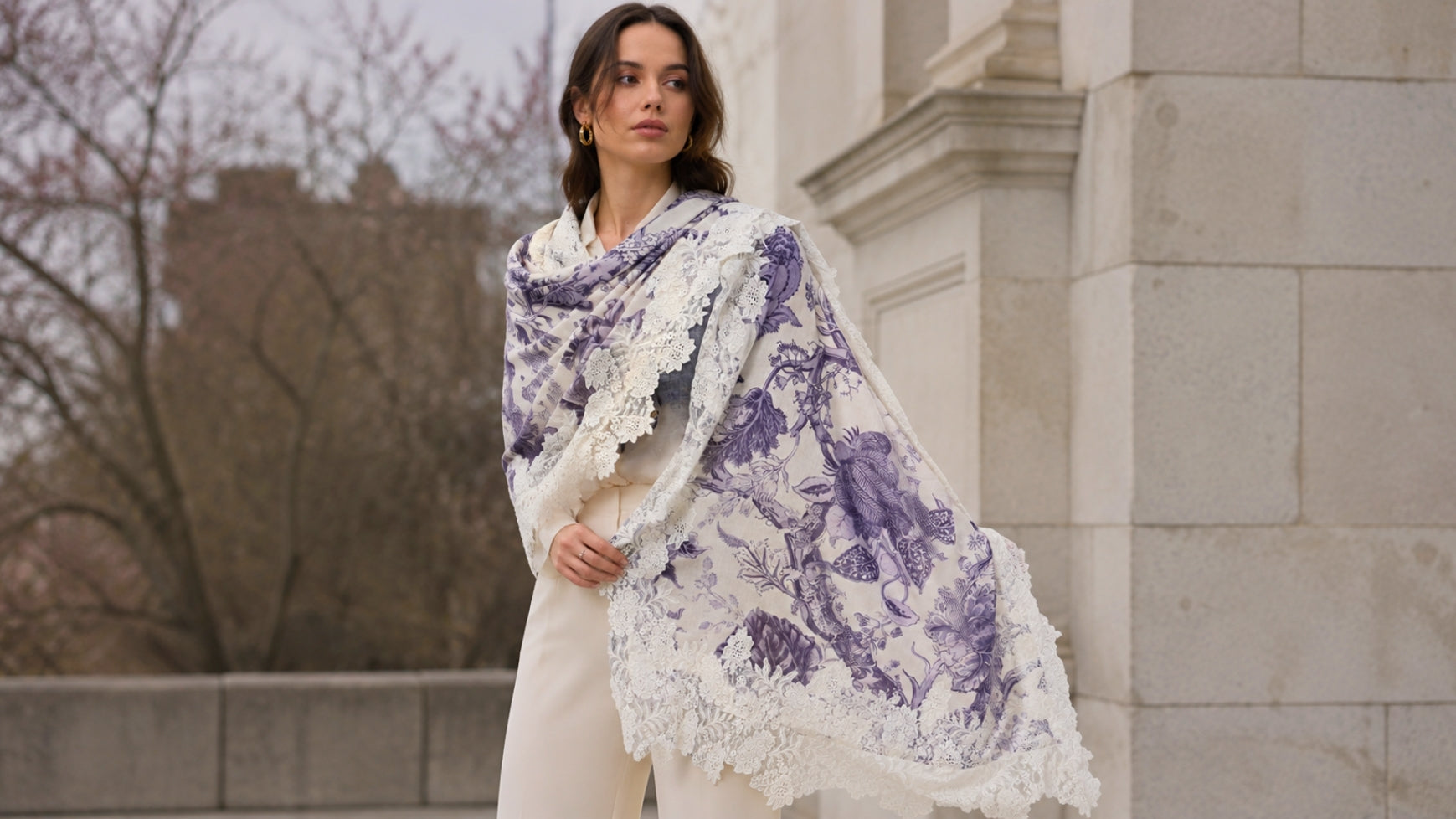
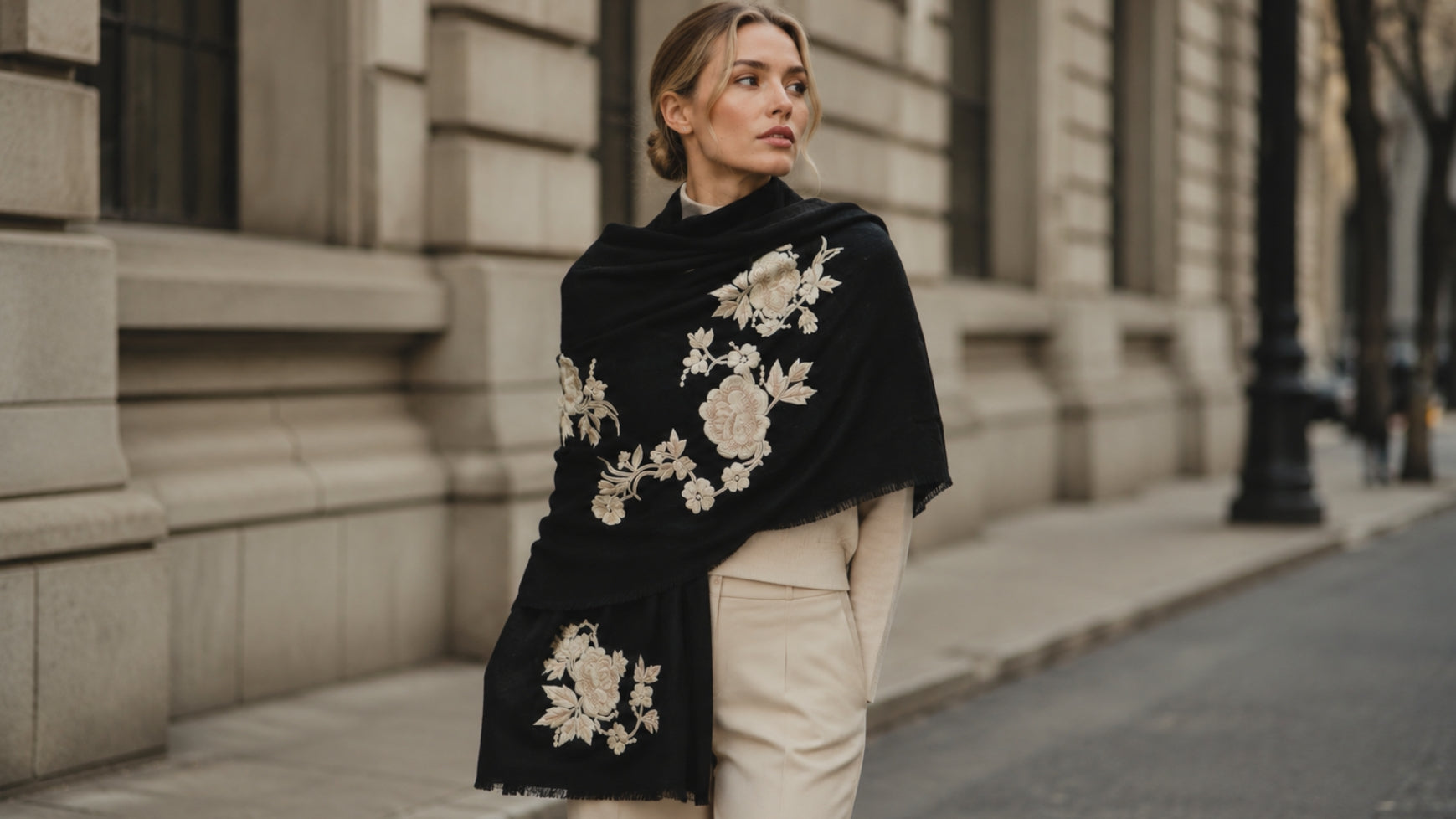
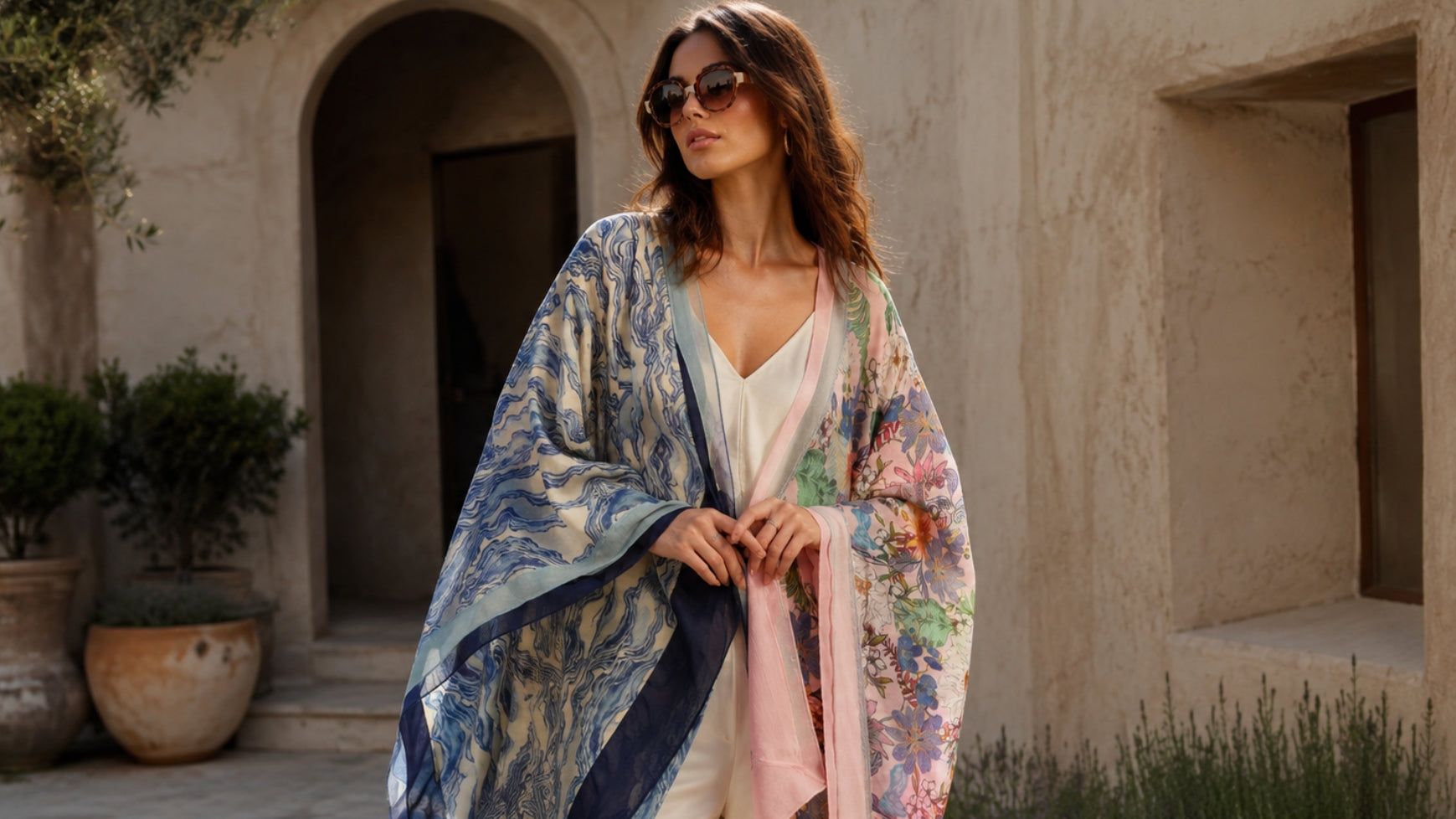
Open the scarf fully and lay it across both shoulders evenly. Allow it to fall symmetrically, or let one end hang slightly longer for a relaxed asymmetry. This is one of the most flattering and occasion-flexible ways to wear a scarf — works equally well at a rooftop dinner or a weekend farmer's market.
A generous pashmina or cashmere wrap gives you the coverage and drape this look requires.

5. The Belted Scarf: Sculpted, Sophisticated, and Unexpected
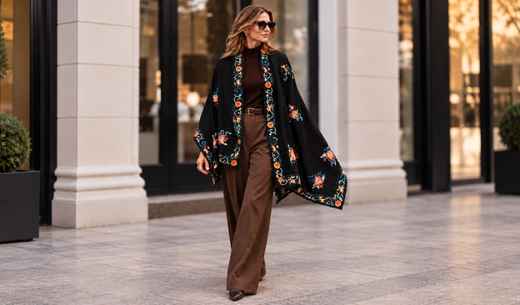
Drape the scarf over the shoulders and cinch it at the waist with a thin belt. This transforms the scarf into a light outer layer and instantly creates a defined silhouette. Particularly effective over a monochrome outfit or a simple dress.
Choose a belt that contrasts subtly with the scarf — a tan leather belt over a cream cashmere, or a slim black belt over an ivory or printed wrap. The structure this adds is disproportionate to the effort it requires.

6. The Bag Tie: Small Detail, Significant Impact
Thread one end of a lightweight or narrow scarf through the handle of a tote or structured bag, then tie it in a simple bow or loose knot. Let the ends trail naturally. This is a particularly good use of delicate or decorative pieces that may not be practical for everyday neck-wearing.
Lace-bordered scarves from the lace scarves range or lightweight pieces from the summer scarves collection are ideal for this look.

7. The Cozy Loop: Layered Warmth With European Ease
Fold the scarf in half lengthwise to create a loop. Hold the folded end in one hand, drape it around the neck, and pull both loose ends through the loop. Tighten gently for a neat, layered look. This is one of the warmest and most effortless ways to wear a scarf in cooler weather — and it stays in place without pinning.
Works best with fall and winter scarves in heavier cashmere or wool-silk.

Your Scarf, Your Style — Start With One Look
You don't need to master all seven at once. Start with the Classic French Drape or the Shoulder Wrap, wear it a few times, and build from there. The best styling comes from familiarity with the piece — which is why choosing a great scarf matters so much.
Explore Maneesha Ruia's collection of luxury scarves — designed to be worn, styled, and worn again. Shop at maneesharuia.com and find the piece you'll wear a hundred different ways.
FAQ: How to Wear a Scarf
What is the easiest and most elegant way to wear a scarf?
The Classic French Drape — fold lengthwise into thirds, drape around the neck with both ends forward. It takes under 30 seconds and works with virtually every outfit.
How do you wear a scarf on your head stylishly?
Fold into a wide band, tie around the head with a knot at the top or side, and keep the rest of the outfit simple. A printed or textured scarf works best. Avoid over-accessorizing when the scarf is the focal point.
How do you wear a scarf with a dress without it looking too formal?
Drape it loosely and asymmetrically — one end longer than the other — rather than wrapping or tying it neatly. A relaxed drape keeps the look easy and modern, while still adding warmth and elegance.
What type of scarf is the most versatile to wear multiple ways?
A generously sized cashmere or pashmina wrap offers the most styling range — it can be draped, wrapped, belted, or worn as a shawl. Linen-modal is a lighter alternative for warmer seasons. Browse the full scarves and wraps collection for options across both weight and style.
How do you keep a silk scarf in place without it slipping?
Use a small brooch or pin at the shoulder or chest to anchor it. For head wraps, tuck the knot firmly and use a few bobby pins if needed. Alternatively, choose a fabric with slightly more texture — wool-silk or linen-modal — which naturally grips better than smooth silk.