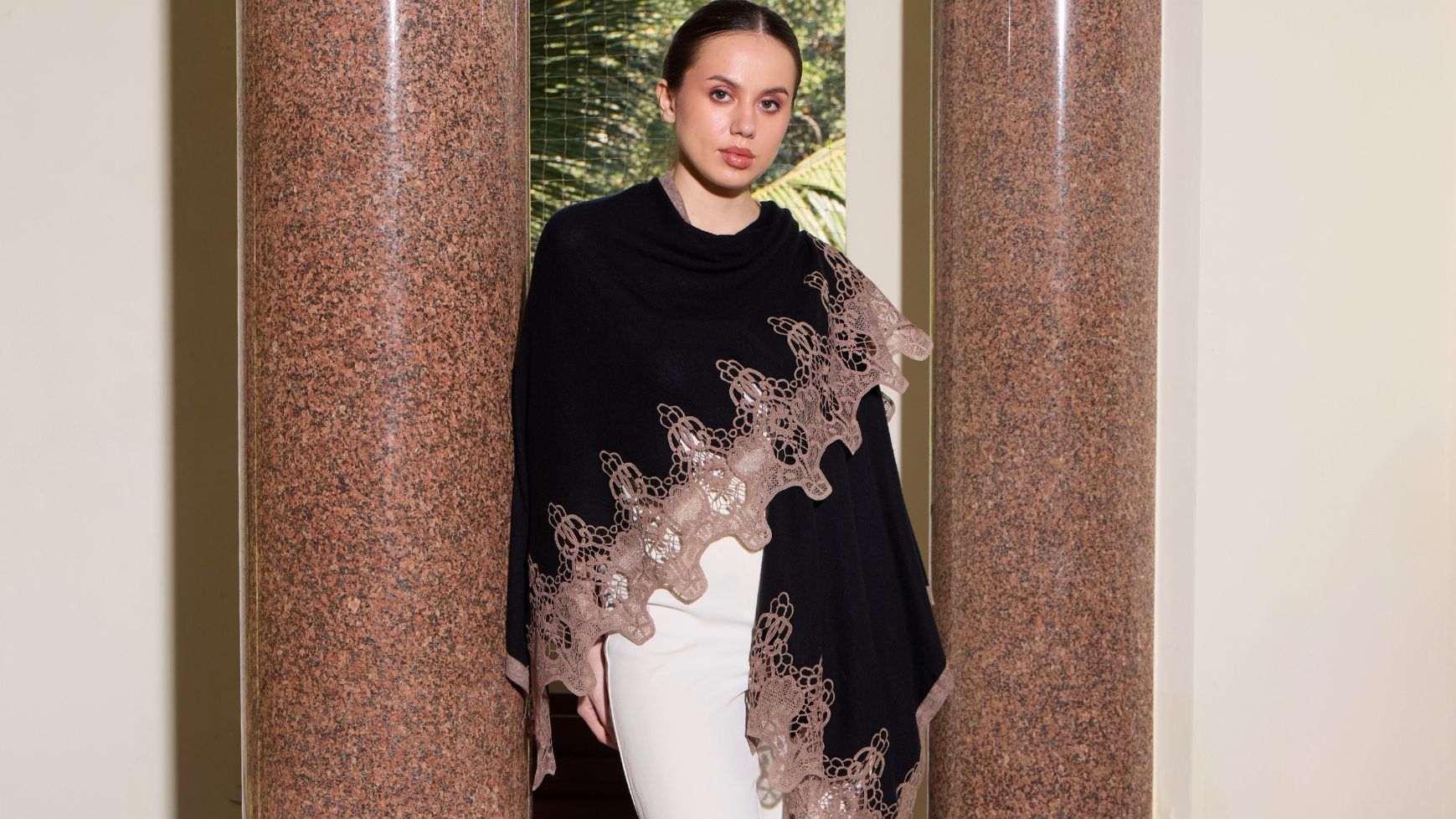
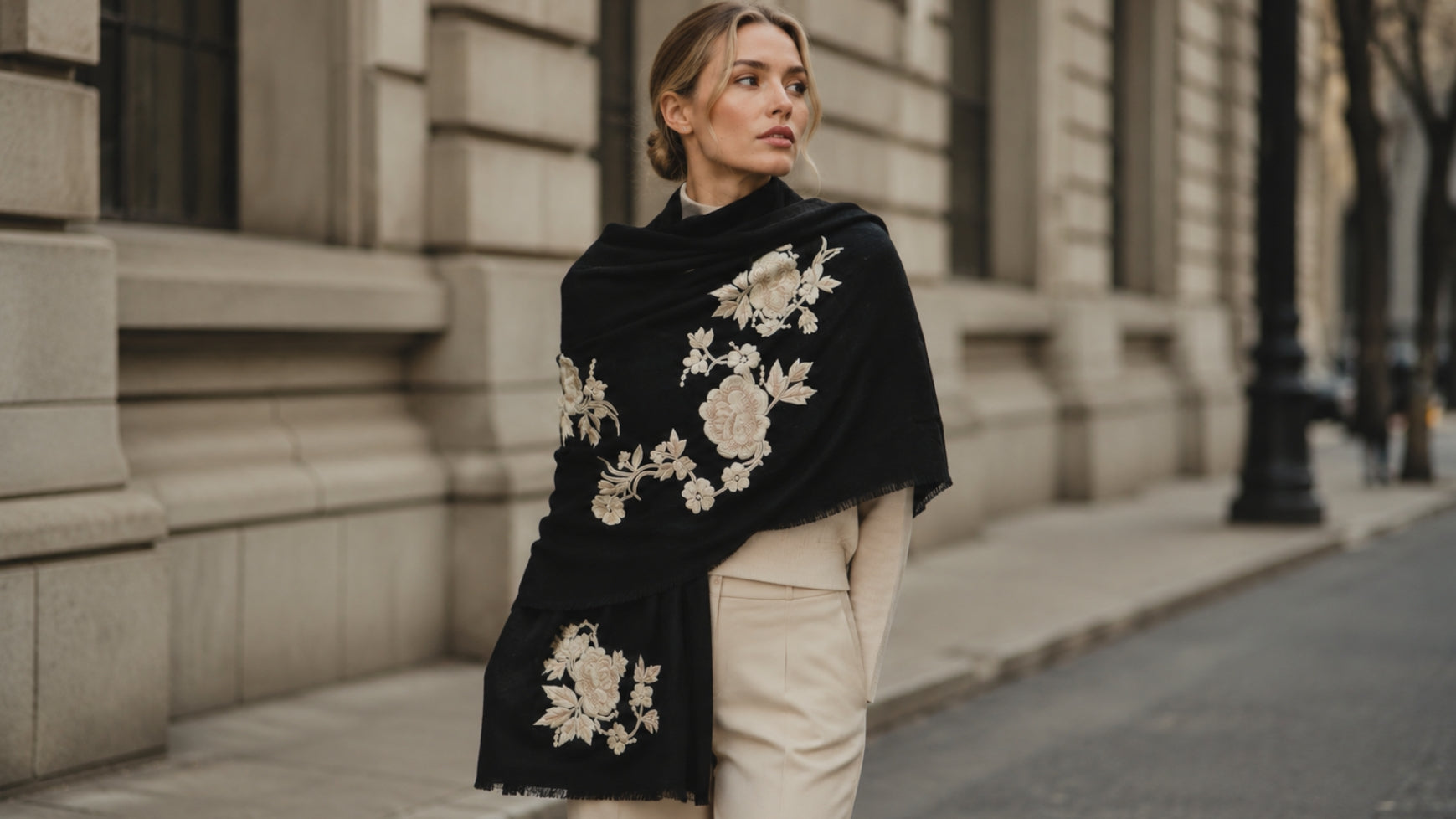
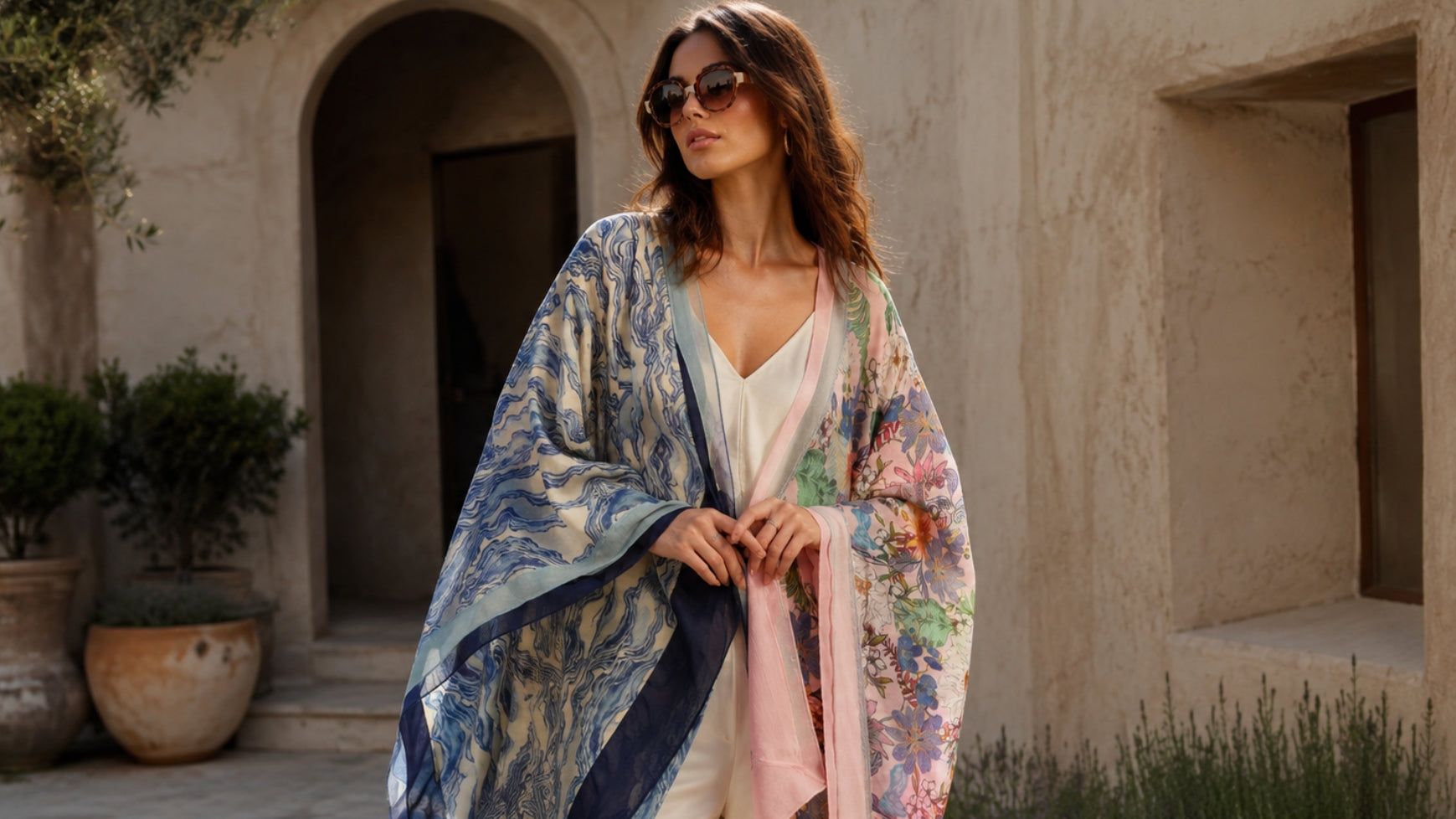
How to Tie a Scarf for Spring and Summer Styling


Knowing how to tie a scarf well is one of those skills that quietly elevates the way you dress. It sounds simple, and in practice it is, but the difference between a scarf that looks intentional and one that looks thrown on almost always comes down to the knot. With a few methods under your belt, you can wear the same scarf in entirely different ways depending on the outfit, the occasion, and the mood.
This guide covers the most useful tying techniques for spring and summer, focusing on neck, shoulder, and head styling. Each method is straightforward to learn and works across a range of scarf sizes and fabrics.

Why Tying Technique Matters More Than You Think
A scarf tied well becomes a focal point. A scarf tied poorly can undermine an otherwise strong outfit. The reason is proportion and finish. A loose, asymmetrical knot on a fine silk scarf looks unintentional. The same scarf tied in a clean, low knot at the collarbone reads as deliberate and polished.
Spring and summer are the most natural seasons for scarf styling at the neck and head. The lighter fabrics and warmer temperatures make it practical to reach for something fine and lightweight from our summer scarves collection rather than a heavier wrap. Understanding how to tie neck scarves correctly means you can reach for the same piece season after season and always have it work.
How to Tie Scarves Around Your Neck
The Classic Drape
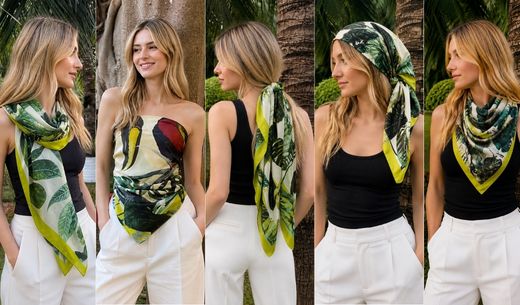
Fold your scarf lengthwise into thirds so you have a long, narrow strip. Drape it over the back of your neck with both ends forward. Let one end fall slightly longer than the other for a relaxed asymmetry, or keep them even for something more structured. This is the most versatile of all the ways to tie scarves around your neck and works with almost every neckline and outfit.
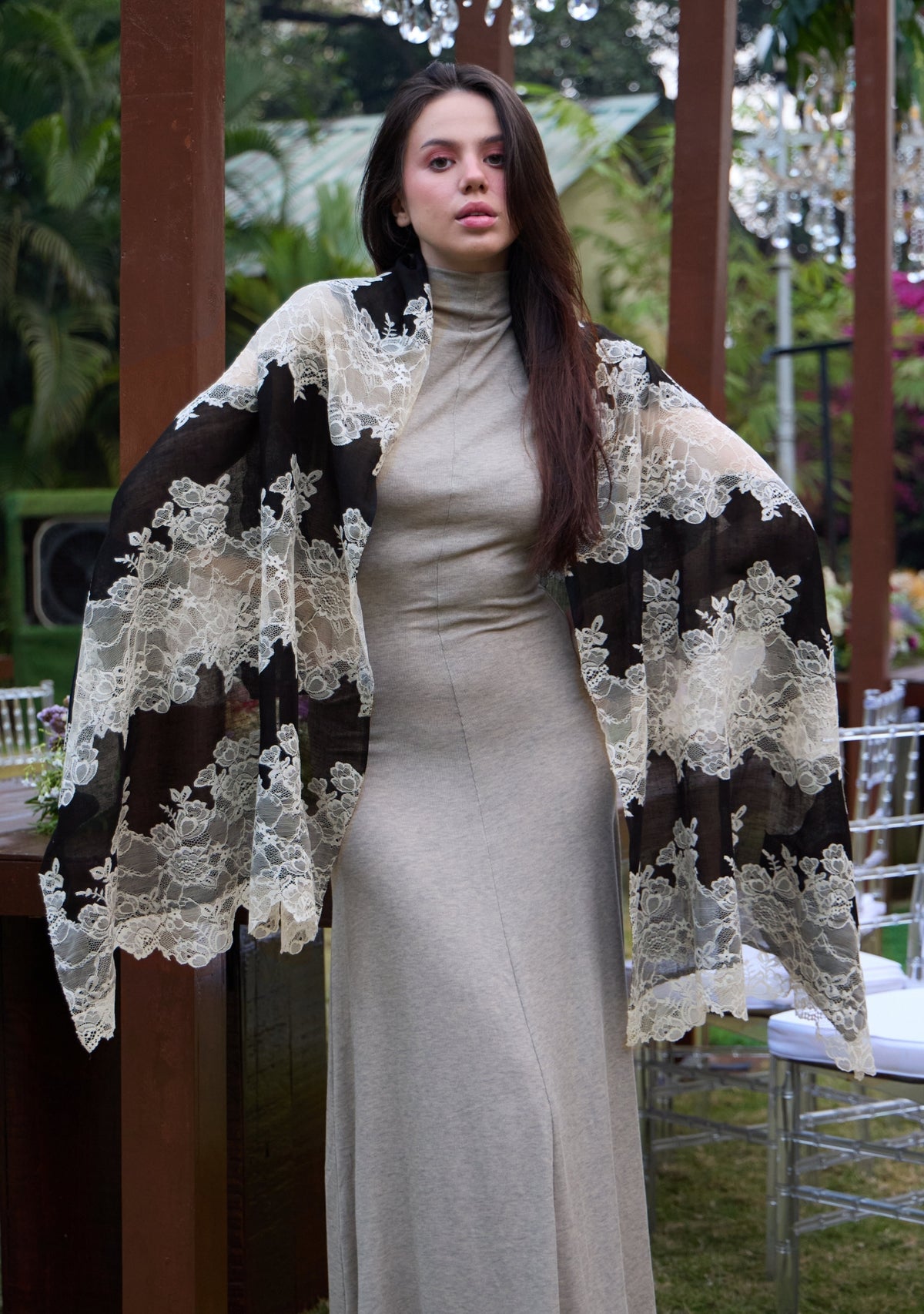
The French Knot
Position the scarf as you would for the classic drape. Take both ends and tie them in a single, loose knot at the center of the collarbone. Do not tighten it fully. The knot should sit with a little softness rather than pulled flat against the neck. This is one of the most polished of all the knots for scarves and suits fine fabrics particularly well.
The Loop Tie
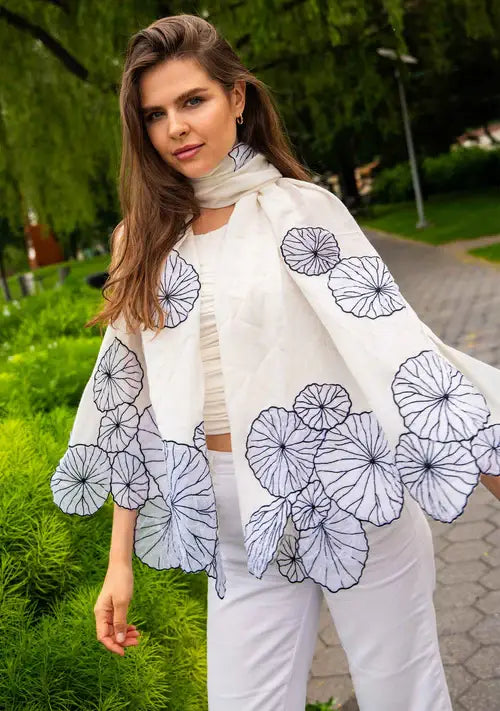
Fold the scarf in half lengthwise, then fold it over itself so you have a doubled strip. Drape the looped end over one shoulder and pull both loose ends through the loop. Tighten gently. This creates a compact, neat style that stays in place throughout the day and works well with open-collar shirts and dresses.
The Side Knot
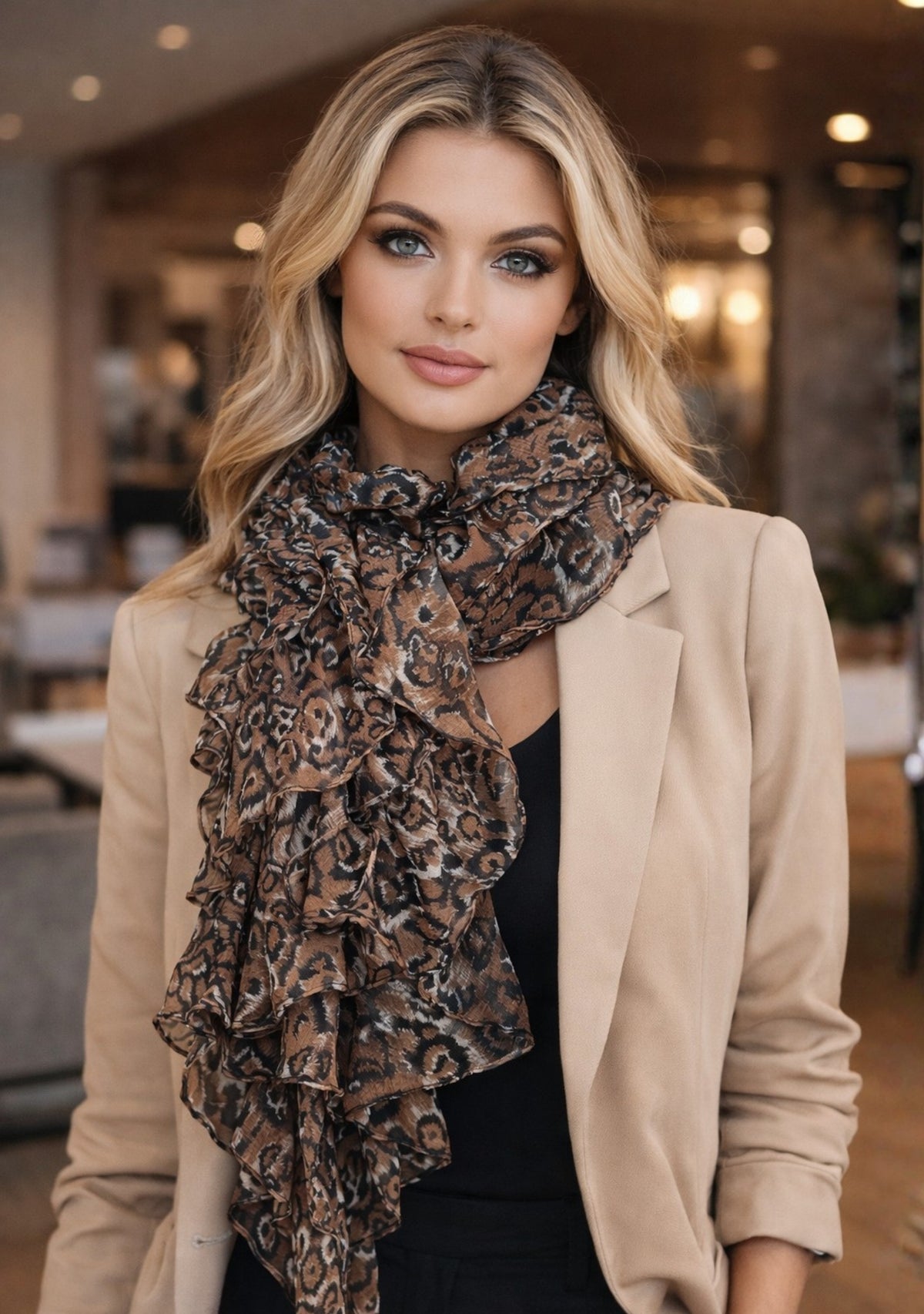
Drape the scarf over the back of your neck with ends forward. Gather both ends to one side, either left or right, and tie them together in a simple knot at the side of the neck. Let the ends fall naturally. This is a casual, effortless tie that works well with a summer dress or a lightweight linen shirt.
How to Tie Head Scarves
For more ways to style a scarf in your hair once you have the tying techniques down, see our full guide to hair scarf styling ideas for spring and summer.
The Headband Knot
Fold the scarf into a narrow strip and position it across the crown of your head, bringing the ends to the nape of the neck. Tie the ends in a simple knot or bow, then tuck the ends underneath or let them trail out, depending on the finish you want. This is the cleanest and most versatile way to tie head scarves and works beautifully with hair both up and down.
The Turban Wrap
Take a longer scarf and position the center at the nape of your neck. Bring both ends forward, cross them over the top of your head, and bring them back to the nape. Tie the ends together at the back and tuck in any trailing fabric. This is a bolder style that suits larger, more softly draped scarves and creates a strong, confident look.
The Low Tie
Fold the scarf into a narrow strip and drape it over the top of your head, letting both ends fall alongside your face. Bring the ends together at the back of the neck and tie in a simple knot. This is a gentle, feminine style that works especially well with fine, lightweight fabrics and suits spring occasions from garden parties to weekend brunches.
Matching the Knot to the Occasion
Not every knot suits every setting. Understanding which tying method to reach for based on context makes the whole process intuitive.
· For casual daytime wear: the classic drape or side knot; relaxed, unfussy, and easy to adjust
· For polished daytime looks: the loop tie or French knot; neat and finished without being formal
· For evening or occasion wear: the ascot knot or low tie at the neck; structured and elegant
· For active days or warm weather: the headband knot; secure, practical, and stylish
Choosing the Right Scarf for Each Knot
The knot and the scarf need to work together. Some knots require a longer, narrower scarf. Others work best with a square piece that has enough fabric to create volume at the knot.
For neck knots, a medium rectangular scarf in the range of 20 by 70 inches gives you the most options. Lightweight wool-silk blends drape beautifully and hold a knot well without slipping. For head scarves, a longer piece gives you more flexibility for wrapping and securing. Linen and modal scarves have a relaxed quality that suits daytime spring styles particularly well.
The Maneesha Ruia collection spans a range of sizes and fabrics suited to every tying technique described here. Printed wool-silk wraps, embroidered cashmere pieces, and lightweight modal scarves all work across multiple methods and suit the spring and summer palette particularly well. Explore our new arrivals for the latest pieces, or browse the full scarves and wraps collection to find the right piece for the styles you want to wear.
FAQ: How to Tie a Scarf
What is the easiest way to tie a scarf around your neck?
The classic drape is the simplest starting point. Fold the scarf lengthwise into thirds, drape it around the back of your neck with both ends forward, and adjust for length. From there, you can add a loose knot at the center or leave it open.
How do you tie a neck scarf so it stays in place?
The loop tie is the most secure method for all-day wear. Fold the scarf in half, drape the looped end over one shoulder, pull both loose ends through the loop, and tighten gently. It holds without needing to be adjusted throughout the day.
How do you tie head scarves for summer?
The headband knot is the most practical for summer. Fold the scarf into a narrow strip, position it across the crown of your head, and tie the ends at the nape of your neck. It keeps hair off the face and stays in place even in warm weather. For more head styling options, read our guide to hair scarf styling ideas.
What are the best knots for scarves?
The French knot, loop tie, and ascot knot are among the most versatile and polished. The right knot depends on the scarf fabric and size, the neckline of your outfit, and the level of formality you are aiming for. For a broader overview of how to wear a scarf across different occasions, read our full guide on how to wear a scarf.
Does scarf fabric affect how to tie it?
Yes significantly. Fine, lightweight fabrics like wool-silk blends drape naturally and hold soft knots well. Stiffer fabrics require a looser approach to avoid a bulky finish. Very slippery fabrics benefit from a tighter knot or a tuck to hold through the day.